



History of Cave Exploration Worldwide
Cave exploration is a scientific field that deals with the investigation and understanding of caves. Cave exploration integrates various disciplines such as archaeology, geology, paleontology, and anthropology. Caves are an important source of information about natural and human history.
The investigation of caves around the world has been taking place for thousands of years. Initially, people explored caves to find shelter from wild animals and the weather. Over the years, tools, weapons, paintings, and inscriptions on cave walls have been found. All of these provide important information about the cultures that lived in these areas.
During the 19th and 20th centuries, scientists began to explore caves in a more in-depth manner. They found remains of ancient humans, such as bones, tools, and artifacts. These discoveries helped humans understand the evolution of humanity and answer important questions in the field.
Today, cave exploration is taking place at a higher level than ever before. The use of advanced technology and new methods allows researchers to explore caves in a precise and in-depth manner. Cave exploration continues to provide important and valuable information about the past of humanity and the natural environment around it.
2. Tools and Techniques for Cave Exploration
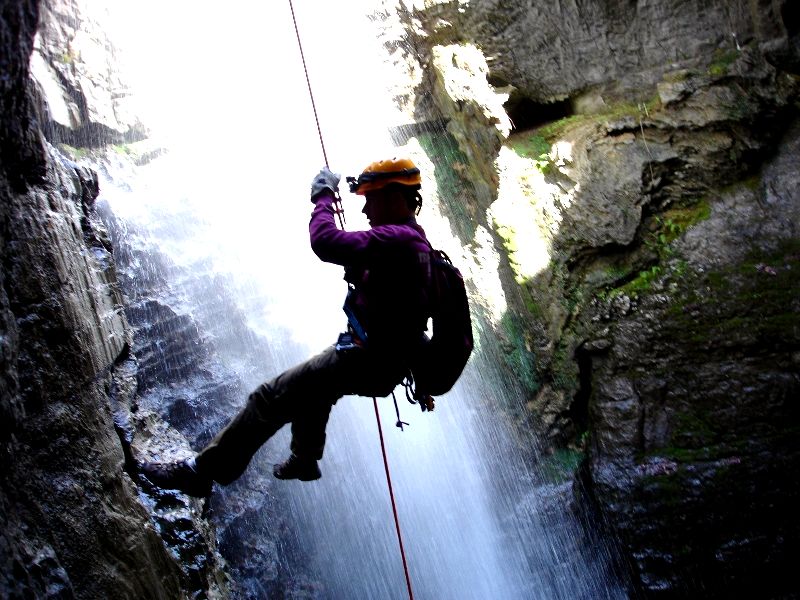
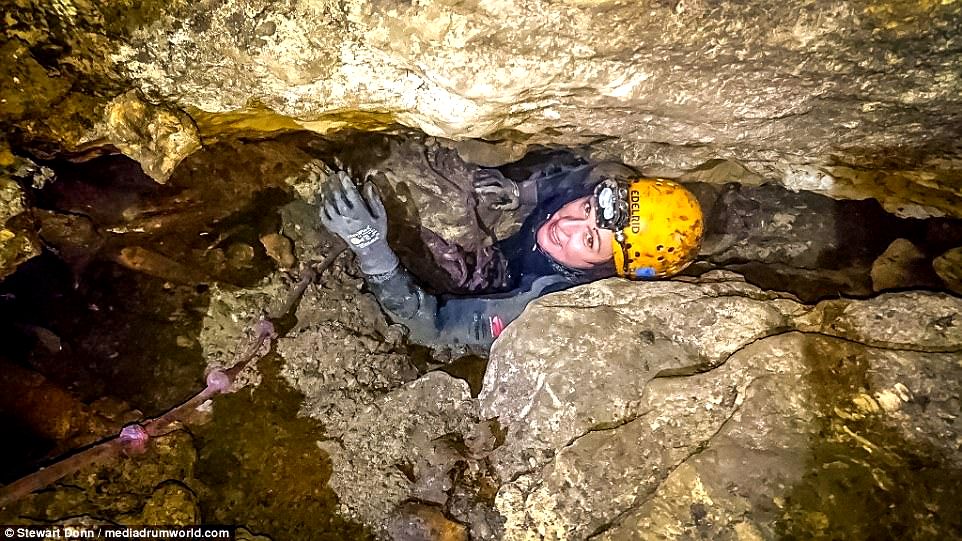
Cave exploration requires the use of advanced tools and techniques. One of the main tools is a subterranean camera, which allows for capturing the interior of the cave and identifying unique formations and shapes within it. Additionally, it is necessary to use equipment such as flashlights, ropes, and harnesses to aid in exploration in hard-to-reach places.
Another important tool for use is GPS, which helps in locating new caves and mapping the area. Additionally, safety equipment such as helmets and safety belts are essential for ensuring the safety of researchers during exploration.
After caves are explored and relevant data is collected, it is important to use chemistry and physics techniques to examine the geological and complex layers within the cave. Additionally, geophysical techniques and interdisciplinary approaches can be used to investigate the cave structure and the need to protect its surrounding environmental area.
3. Geology and Geotourism of Caves
Caves are wonderful sites for studying history and investigating the geology and geotourism of the area. Caves are formed as a result of geological processes such as erosion and ground collapse, and they can contain ancient and important information about the area.
Geological research of caves provides important information about the natural history of the area, including processes of rock and water formation and development. In addition, cave exploration may help understand the ecological systems to which they belong, thus assisting in environmental conservation.
Cave research allows us to better understand the human figure and its long journey through history
Professor Rebecca Cohen – Historian
Geotourism of caves refers to their geographical location and their influences on local culture and society. Caves can serve as centers of life and sources of livelihood, making them important for studying the history and culture of the area.
4. Animals and Plants Found in Caves
Caves are essential habitats for a wide variety of animals and plants. Inside caves, interesting biological processes take place, allowing certain species to thrive and develop uniquely. In this article, we will examine the animals and plants residing in caves and the need to preserve their unique environment.
In caves, a wide variety of animals can be found, such as bats, bees, ants, rodents, and more. Some of these animals exist in caves to find a safe and shaded place to feed. Along with these, there are unique plants that thrive in caves, such as cave flowers and fungi.
The cave ecosystem is sensitive to environmental changes, so it is important to maintain the natural balance in caves. Damage to the cave environment can lead to loss of species diversity, so it is important to pay attention to preserving the unique environment of caves.
In conclusion, animals and plants in caves are an important part of their unique ecosystem. We must protect them and preserve the special environment in order to ensure their continued existence and flourishing in the future.
5. Culture and History of Humans in Caves
Caves were central places in the lives of humans in various ancient periods. Caves contain ancient drawings of humans and animals, testifying to the existence of ancient communities in the area.
In cave exploration, there is the possibility of discovering new findings that can change our understanding of the past
Dr. Joseph Cohen – Archaeologist
Ancient humans used caves as living spaces, baths, burial places, and even as places for performing religious ceremonies. Cave explorations can reveal information about the culture and daily life of humans in the past.
In caves, ancient tools, sculptures, drawings, and more can be found. All of these testify to the cultural development of humans in the past and their creative ability.
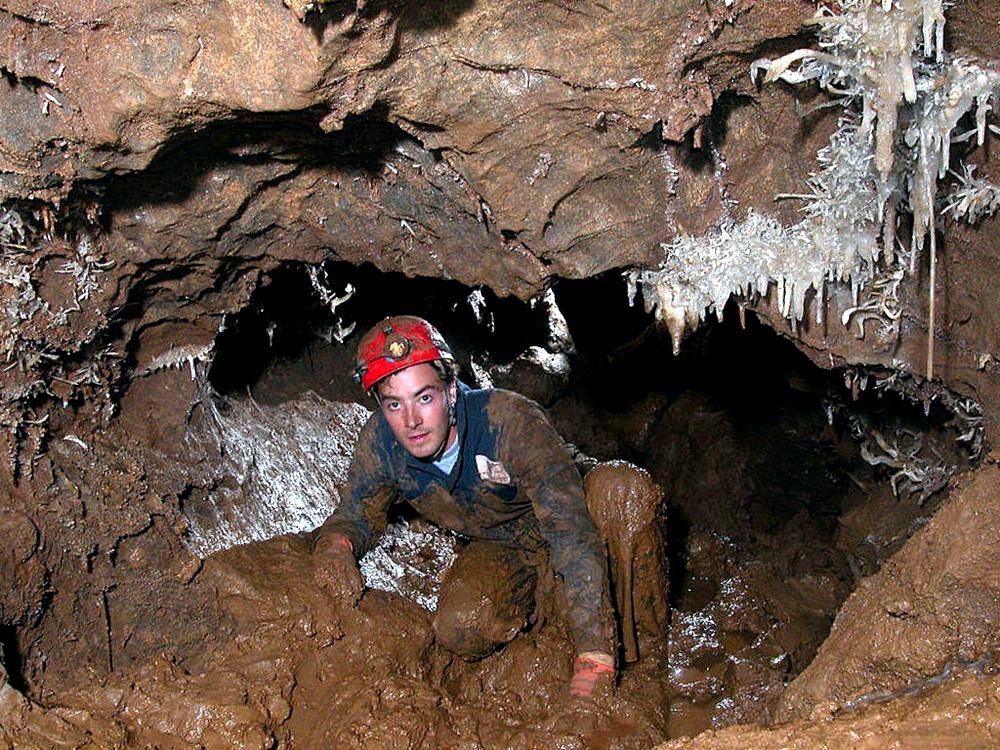
Caves play a central role in the history of humans. They provide important information about human life in the past, their cultural and social development, and their connection to the natural environment in which they lived.
6. Protection of Caves and Conservation
Caves are ancient natural heritage that needs to be preserved and protected efficiently. Protecting caves and conserving them is important for preserving nature and their history.
One of the important ways to protect caves is to establish a special department on-site to preserve caves and prevent harm to them. A special team can monitor the condition of the caves, find technological solutions for their preservation, and ensure that no one harms them.
Caves are a source of unique knowledge that can help us uncover a diverse mix of cultures and traditions
Professor Rebecca Cohen – Historian
Another way to protect caves is to raise public awareness of their importance and to enforce laws that protect them. When the public understands the value of caves and the risks of damaging them, it becomes easier to preserve and prevent harm to them.
Additionally, it is important to maintain cleanliness in the cave environment and prevent pollution and environmental damage. Regular maintenance of caves and their surrounding environment can ensure that they are preserved for future generations.