


1. Route Planning
When planning a cycling tour in the desert, it is important to consider several key points. First, choose the difficulty level of the route according to the physical fitness level of the participants. Also, consider the weather conditions and temperatures in the desert, and plan the tour accordingly.
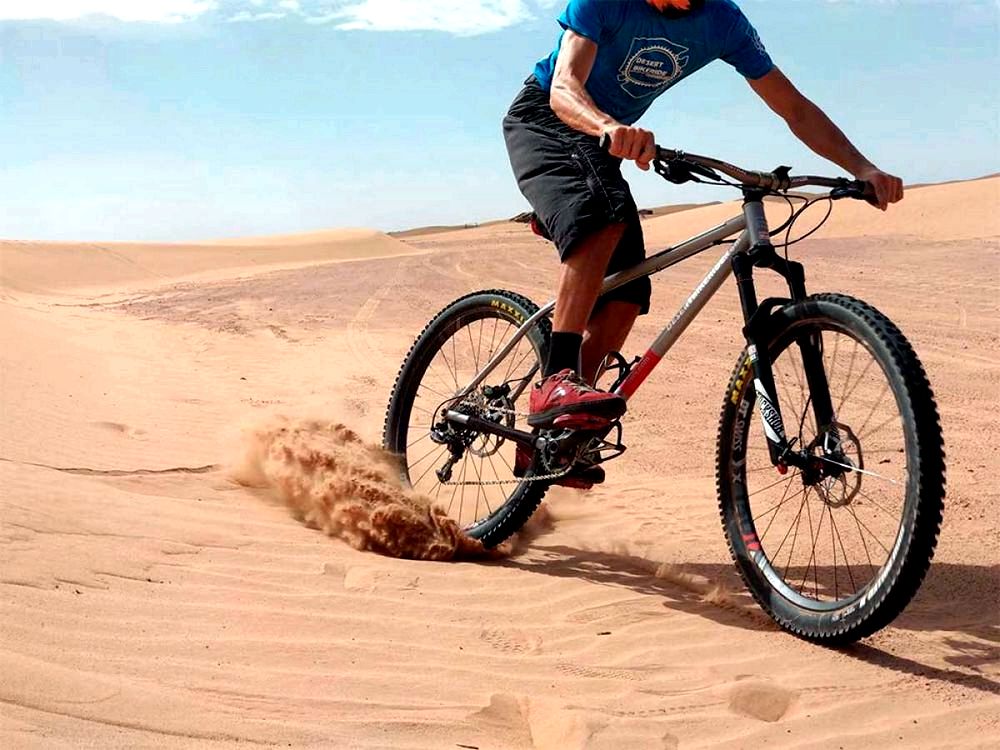
Additionally, examine the length of the route and the type of terrains to be crossed. Make sure there are enough water and food refill points during the tour, and plan the budget required for purchasing equipment and transportation.
Cycling in the desert: an experience that combines body and soul
Shira Cohen – Cyclist
Once the route is planned, it is advisable to bring maps and guides with you to ensure you do not lose your way during the tour. It is also important to stay updated on the latest information about the conditions of roads and trails in the desert, and ensure there is cellular communication in the area where the journey will take place.
2. Equipment and Preparation for the Tour
Before joining a desert cycling tour, it is important to make sure you have all the necessary equipment and have made all the required preparations. Here is a list of the basic equipment you need to make sure you have with you:
- Proper and branded bikes for desert terrain use
- Helmet and goggles for head and eye protection
- Comfortable riding clothes suitable for desert weather
- Water and a backpack for peace of mind during the ride
- Food and snacks to cope with the journey
Additionally, check the condition of your bikes before the tour and make sure they are in good working order. Also, make sure you have water-resistant maps and compass to avoid getting lost in the dreaded desert. Lastly, always remember to be cautious and take care of yourself and the environment you are riding in.
Riding Techniques in the Desert
Cycling tours in the desert are a fascinating and challenging experience, but several basic techniques can help you cope with the harsh conditions in the desert and enjoy the experience to the fullest.
Here are some riding techniques in the desert to consider:
- Speed control – It is important to control your riding speed and adjust it to road conditions and the area’s situation. It is always better to maintain a safe speed and avoid unnecessary risks.
- Navigation – Make sure you are familiar with the trails and roads you are riding on, and use maps and GPS to avoid getting lost. Efficient navigation will make it easier for you to find the tour’s destination.
- Energy management – In the desert, be cautious of wasting energy and drive smartly and conservatively. It is important to conserve your energy and drive in a way that allows you to adapt to desert conditions.
- Safety – In terms of safety, it is important to be aware of risks and wear protective gear, including a helmet and boots. It is also important to be in contact with a team in case of an emergency.
In desert cycling tours, it is important to consider all these techniques and integrate them appropriately to ensure a safe and pleasant experience in the desert wilderness. This way, you can enjoy the beautiful and impressive nature of the desert to the fullest.

4. Guided Tours in the Desert
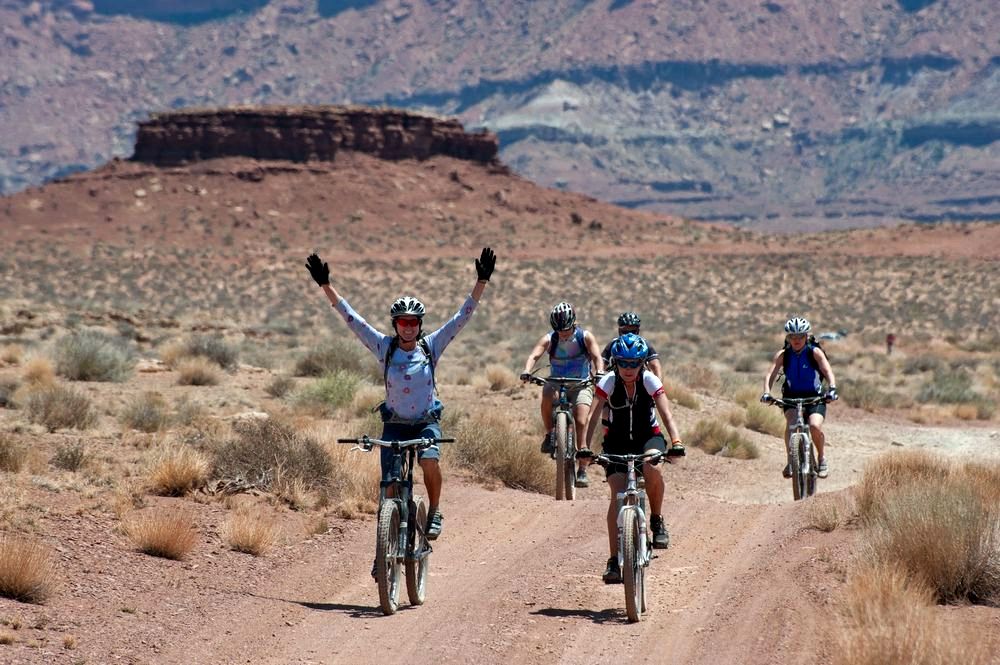
Guided cycling tours in the desert are a great way to experience the beauty of the desert’s nature and the tranquility of the desert. During these tours, you can enjoy breathtaking views, experience the surrounding tranquility, and marvel at the magnificent desert creatures. Experienced guides will lead you on personalized routes tailored to your fitness level and provide you with information about the area and its unique features.
During the tours, you can learn about desert vegetation, local animals, and the culture of the people living in the area. You can taste local foods, visit historical sites, and be excited by the diverse local culture.
Cycling tours in the desert are suitable for all ages and fitness levels. They offer a unique and exciting experience that will leave you with lifelong memories. So, don’t miss the opportunity to experience the desert in a different and impressive way!
5. Popular Routes in the Desert
In the northern desert of Israel, there are leading cycling routes that blend in with the desert’s colors and offer fascinating riding experiences. Here are some of the most popular routes in the desert:
1. Sufa Route – This route starts in Kfar Rotem and ends at the IDF camp in Tzofah. The route offers stunning views of the Galilee Mountains and the northern desert, suitable for riders of all difficulty levels.
2. Etz Eyn Route – This route starts in Moshav Etz Eyn and ends at Tel Arad National Park. The route offers a riding experience in sand dunes and dry riverbeds, suitable for all levels.
3. Tamar Route – This route starts in Kibbutz Tamar and ends at Kedumim Junction. The route passes through kilometers of stone processes and ancient caves, suitable for advanced riders.
4. Avuksim Route – This route starts in Moshav Avuksim and ends at Rotem Junction. The route takes riders through forest paths and unique northern vegetation, suitable for all difficulty levels.
You don’t have to be a cyclist to enjoy a tour in the desert
Yael Ben-Dov – Nature Lover
5. Ramon Route – This route starts at Masada National Park and ends in Eilat. The route passes through the Negev Mountains and offers stunning views of the Arava and the Dead Sea, suitable for experienced riders.
6. Safety Tips for Desert Cycling Tours
1. Ensure you have proper protective gear, including a helmet, gloves, and goggles.
2. Check the bike’s braking system before each tour and make sure it is working properly.
Every story has two sides that ignite us to desert cycling tours
Itamar Cohen – Writer and Tour Guide
3. Always share information about the tour route and familiarize yourself with local information on road conditions and weather.
4. When traveling in a group, be sure to maintain a safe distance between bikes and avoid collisions.
5. Choose comfortable and suitable clothes for riding in the desert, including boots and shirts with air vents.
6. Always share information about your location and contact the tour guide or team in case of a breakdown or emergency.
7. If you are traveling alone, inform someone about your tour route and your expected viewing times.