




1. The Influence of Israeli Culture on World Cuisine
The Israeli kitchen is a rich and diverse cuisine that reflects the history, culture, and nature of the land. It combines influences of Eastern, Ashkenazi, Mediterranean, and Arab cuisines, offering unique tastes and aromas reminiscent of deep culture and history.
The Israeli kitchen is not just food – it’s a story, memory, and connection to roots.
Amos Cohen – Writer and Chef
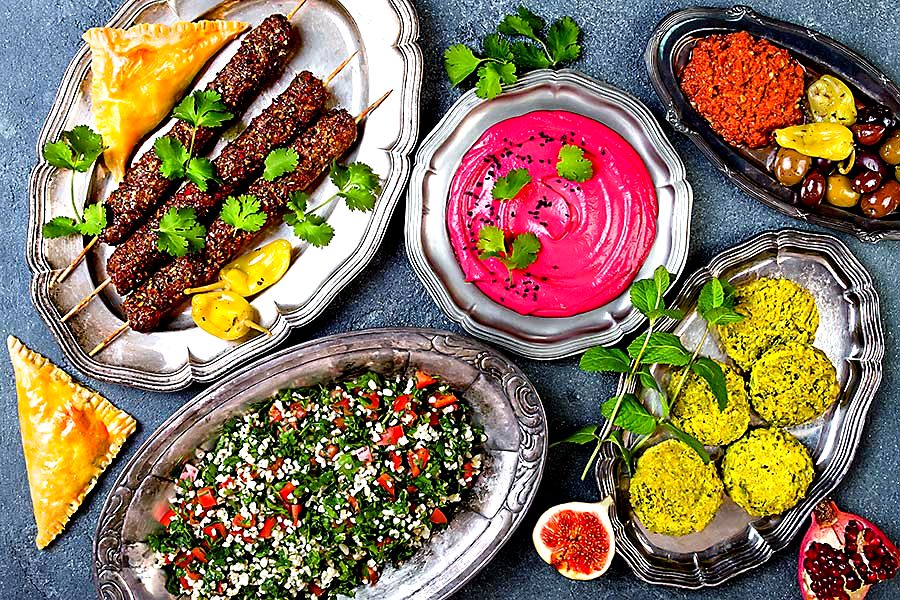
The Israeli kitchen developed with the significant immigration of Jews from around the world to Israel in the 20th century, evolving over the years according to the diverse cultural influences from around the world.
The Israeli kitchen has gained great popularity in recent years and has become a modern cuisine that blends various colors, flavors, and textures. Natural, seasonal, and local ingredients form the basis for tasty and healthy dishes.
The influence of the Israeli kitchen is noticeable worldwide, impacting other cuisines uniquely. Local spices, herbs, and ingredients are now used in kitchens around the world, giving a special and local flavor to dishes.
In conclusion, the Israeli kitchen represents the culture and history of the land and offers a tasty and fascinating experience that combines traditional flavors with modern updates and upgrades.
The Phenomenon of the Eastern Scene in Israeli Cuisine
In recent years, Israeli cuisine has gained great popularity worldwide. One of the most sought-after phenomena in Israeli cuisine is the integration of the Eastern scene. The term “scene” in Hebrew describes the variety and richness of the Eastern cuisine, dense and bold. The Eastern scene brings new flavors and aromas to Israeli cuisine, adding a cultural richness not found in other cuisines.
In Israeli cuisine, the Eastern scene appears in a diverse and spoken manner. Many restaurants and cafes in Israel offer Middle Eastern dishes such as hummus, falafel, and shawarma. Even in public eateries and major cities in Israel, complete menus of Eastern dishes can be found, incorporating ingredients from various Eastern kitchens.
The Eastern scene gives the Israeli cuisine a new and fascinating access to flavors and aromas of eateries worldwide. The phenomenon of the Eastern scene in Israeli cuisine offers a unique culinary experience, blending Eastern and Western cultures and creating growth and stability in the global culinary world.

3. Unique Cooking Approaches and Techniques in Israeli Cuisine
In Israeli cuisine, a wide variety of cooking approaches and techniques can be found that blend perfectly with the tradition associated with local cuisine. Here are some of them:
1. Use of local spices and herbs: The Israeli market offers a wide range of spices and herbs used in local cuisine. Spices like cumin, za’atar, coriander, and more add a rich and deep flavor to dishes.
2. Use of fresh and quality ingredients: Israeli cuisine emphasizes the use of fresh and quality ingredients, such as vegetables, fruits, fish, and meats, ensuring tasty and healthy dishes.
3. Combination of traditional cooking techniques with modern techniques: Israeli cuisine combines traditional cooking techniques like grilling, boiling, and stewing with modern techniques like sous-vide, sautéing, and low-temperature cooking.
4. Influence of Eastern and Western cuisines: Israeli cuisine reflects the influence of Eastern and Western cuisines on local cuisine, leading to a unique combination of flavors and aromas.
5. Emphasis on vegetarian and vegan dishes: Israeli cuisine offers a wide range of vegetarian and vegan dishes that combine vegetables, fruits, legumes, and grains in an original and tasty way.
In summary, the unique cooking approaches and techniques in Israeli cuisine blend tradition and innovation, local uniqueness, and cultural richness, allowing for the creation of fascinating and tasty dishes.
Traditional and Tasty Foods from Israeli Cuisine
Israeli cuisine blends various cultures that have integrated in Israel over the years. In Israeli cuisine, you can find traditional and tasty foods that reflect the cultural and geographical diversity of the land. These traditional foods are rich in flavors and aromas reminiscent of the different places where they originated.
In Israeli cuisine, you can find a wide variety of traditional and tasty foods, such as: hummus, falafel, shakshuka, harissa, kebabs, pita bread, olives, milk pudding, tahini, baklava, cheeses, pickles, and more. Each of these foods represents a unique and special taste of Israeli cuisine.
The traditional and tasty foods from Israeli cuisine are an inseparable part of the culture and history of the country. They reflect the tradition and heritage of the Jewish people and the various cultures that have existed in Israel over the years.
In today’s global world, Israeli cuisine manages to integrate and influence in a unique and refreshing way.
Shirley Levy – Chef and Presenter
Traditional and tasty foods from Israeli cuisine are not just food, but also part of the cultural identity of the country. They showcase the uniqueness and richness of Israeli cuisine, reminding us of our deep connection to the place where we live.
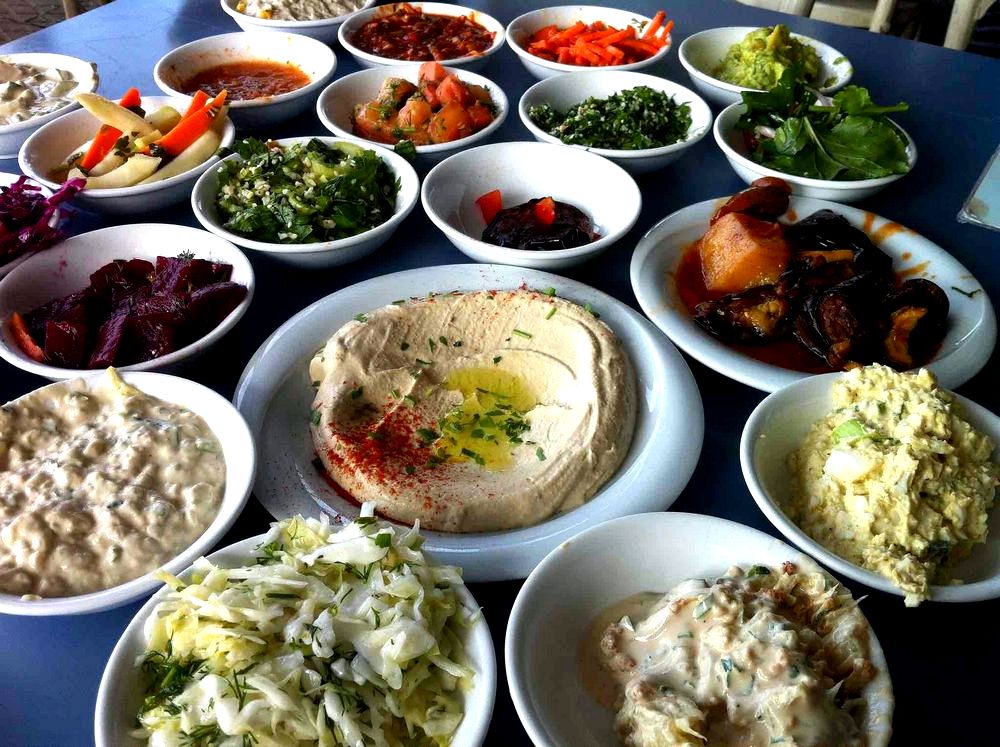
5. The Relationship Between Food and Culture in Israel
Israeli cuisine is a multicultural cuisine that reflects the diverse activity of the country. The Israeli cuisine incorporates influences from Arab, Ashkenazi, Sephardic, Greek, and more cuisines. Food and drink play a significant role in the State of Israel, controlling the cultural and social environment.
The Israeli kitchen is a boundless source of new and creative ideas in the culinary field.
Eitan Cohen – Chef and Lecturer
Israeli food reflects the cultural identity of the country and is important for the national identity of its citizens. Food also serves as a tool for understanding the history and tradition of Israel, influencing beliefs, emotions, and social interactions.
In Israel, food is not just a source of physical nourishment, but also a central element for social and spiritual experiences. Food serves as a connection between people, a tool for expressing culture and memory, and a way to express feelings and emotions.
In conclusion, it can be said that the relationship between food and culture in Israel is deep and fascinating, influencing all aspects of life in this country.
Social and Environmental Aspects in Israeli Cuisine
Israeli cuisine reflects the culture and history of the country, influencing the social and environmental aspects of the cuisine. Over the years, Israeli cuisine has undergone many changes that have also affected society and the environment.
One of the social aspects of Israeli cuisine is the social sharing it evokes. In Israeli cuisine, it is common to eat together, share food, and convey messages of unity and completeness. This promotes strong and central communities.
In addition, the preservation approach in Israeli cuisine highlights the absolute importance of the environment. Preservation and use of local and seasonal ingredients promote creativity and environmental preservation, helping to protect the environment and its natural resources.
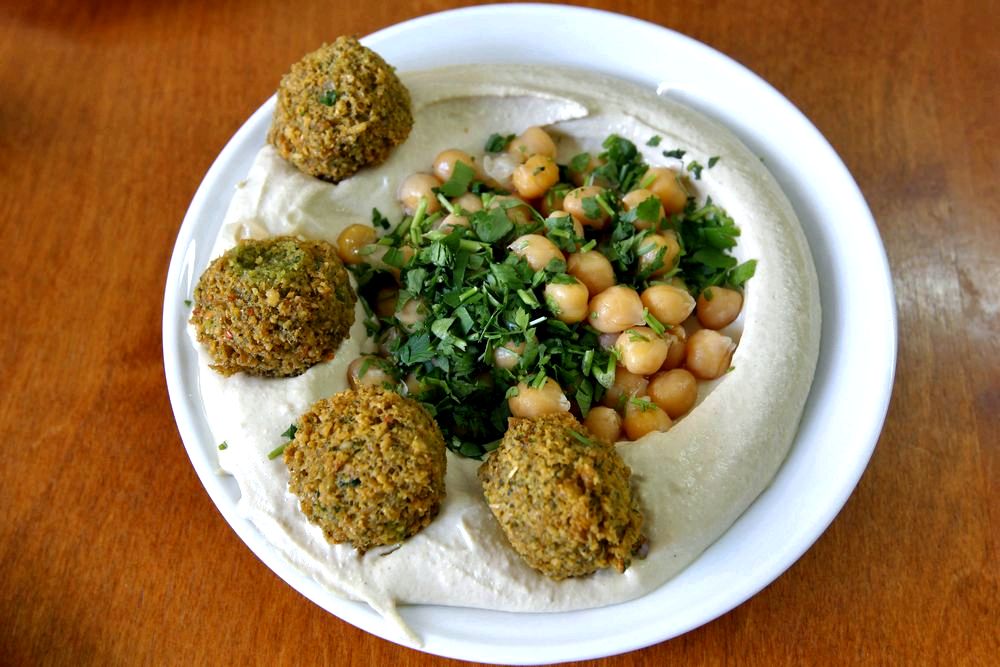
All these aspects demonstrate that Israeli cuisine is not just about taste and aroma, but also about culture, society, and the environment. These influences lead to the creation of a rich and diverse cuisine that reflects the world of Israelis and offers a unique and fascinating food experience.