


1. Traditional Recipes from Jewish Cuisine
Jewish cuisine contains a wide variety of traditional recipes that pass on Jewish culture and heritage from generation to generation. These recipes reflect the history and culture of the Jewish people and contain tasty and unique ingredients.
Among the most well-known traditional recipes in Jewish cuisine, you can find cholent, tahini, haroset, schnitzel, and more. Each traditional recipe combines unique and special flavors that give it the distinct taste of Jewish cuisine.
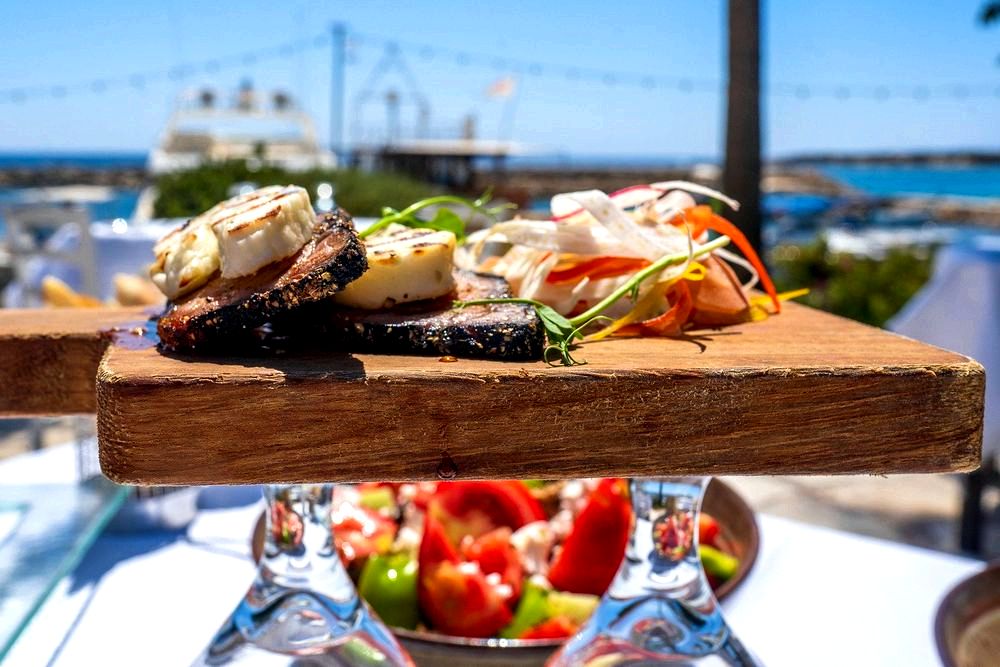
Traditional recipes from Jewish cuisine are intended for holiday celebrations, family events, and warm meals. They also serve as a way to preserve Jewish tradition and heritage and pass them on to future generations.
Choose a traditional recipe from Jewish cuisine and add a special and authentic taste to your next meal!
Cooking is a place of creativity and magic.
Abigail Cohen – Chef
Traditional Cooking Techniques
There are traditional cooking techniques passed down from generation to generation in different families and cultures. These traditional methods are based on ancient knowledge and experience accumulated over the years, and they are used to prepare dishes with rich and unique flavors.
One of the excellent traditional techniques is cooking over an open fire. In this method, the food is cooked over an open flame, giving it a rich taste and natural smoking. Cooking over an open fire requires proper regulation of the fire and the item being cooked, leading to a unique and tasty result.
Another technique is cooking in a clay oven. In this method, the food is cooked in an oven that heats uniformly, allowing the food to cook evenly and achieve excellent flavors. Cooking in a clay oven is suitable for various dishes, such as bread, cakes, and vegetables.
To preserve the flavors and nuances in dishes, it is important to use traditional cooking methods and preserve the ability to pass on this knowledge and techniques to future generations.
3. Traditional Cooking Utensils
Traditional cooking is a complex process that requires the use of special utensils to prepare food in a traditional and efficient manner. Traditional cooking utensils are often made of the same type of material that has been used for many years and are used in the cooking process in all corners of the world.
Traditional methods transfer the taste from generation to generation.
Ran Cohen – Food Columnist
They are intended for use in all types of cooking, including dessert baking, pastry baking, and sometimes even cooking meat and fish. Traditional cooking utensils can be used for all types of cooking and provide better results.
Using traditional utensils for cooking has several advantages. They are made of good and durable materials, suitable for use on all types of stoves, and provide excellent results. Traditional cooking utensils also help preserve cultures and traditions during the cooking process.
4. Historical Moments in Traditional Cooking
In the world of traditional cooking, there are fascinating historical moments associated with traditional cooking processes. One of them is the development of cooking in ancient times when humans discovered the ability to cook and began using fire to prepare food. Throughout history, traditional cooking has evolved and changed according to the cultures and traditions of peoples.
Another historical moment in traditional cooking history is the influence of technological development on cooking processes. With technological advancements, tools and cooking techniques have advanced, and new methods for cooking food have been developed. The use of ovens, pots, and new cooking utensils has contributed to the evolution of traditional cooking methods.
One of the key historical moments in traditional cooking is the influence of different cultures on cooking development. In every culture and region, unique cooking traditions can be found that influence cooking styles and local cuisines. In this way, traditional cooking reflects the cultural and historical profile of each nation and region.
In summary, historical moments in the world of traditional cooking show the processes and changes that the cooking field has undergone to progress and develop over the years. Struggles, cultures, and technology have all contributed to creating the variety and richness of traditional cooking worldwide.
5. Flavor Enhancements in Traditional Cuisine
In traditional cuisine, there are special flavor enhancements that improve the taste of food. Here are some tips for improving the taste in traditional cuisine:
1. Preservation: Preservation is a traditional cooking technique used to extend the life of food and enrich its taste. During preservation, food is cooked in liquids such as water, oil, or sauce, expanding and imbuing it with additional flavors.
2. Softening in a Mold: Softening in a mold is a process where the food is set in a mold or pot and cooked over low heat without liquids to preserve its original flavors.
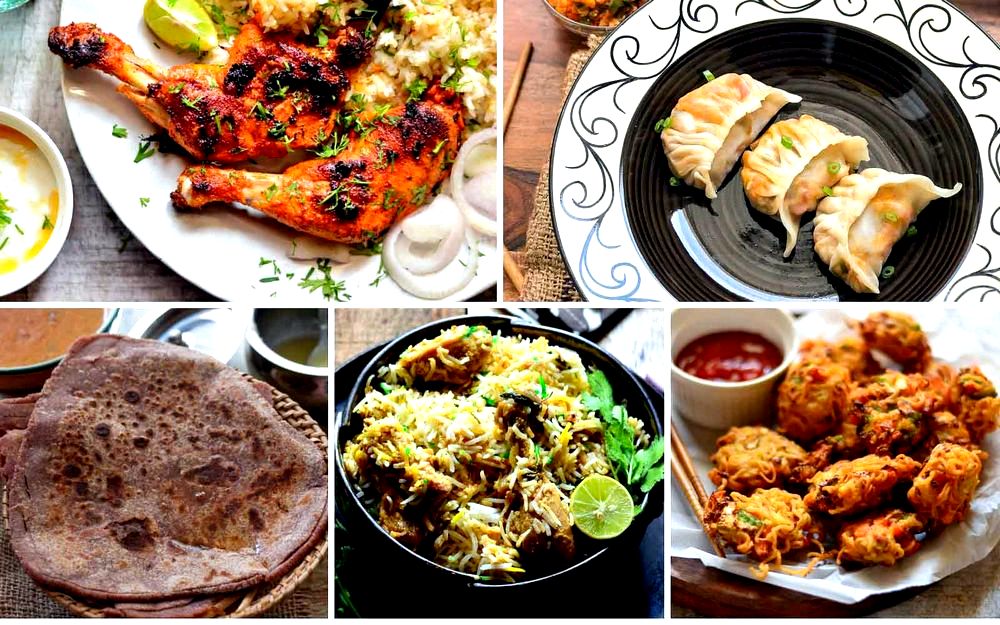
3. Improvement in Stew: In the traditional stewing method, food is simmered in liquids and a closed pot over low heat for a long time to achieve rich and deep flavors.
4. Preserving Natural Flavors: In traditional cuisine, natural ingredients and spices are used to preserve the flavors of the food and provide it with a rich and unique taste.
5. Use of Spices and Herbs: Spices and herbs are used to enhance the taste of food and create rich and unique flavors in traditional cuisine.
6. Traditional Ingredients
Traditional ingredients are the basis for all traditional cooking methods. These ingredients are the main components used in cooking and give dishes their special taste and aroma. In traditional kitchens, these ingredients are prepared naturally and locally, giving their dishes their unique character.
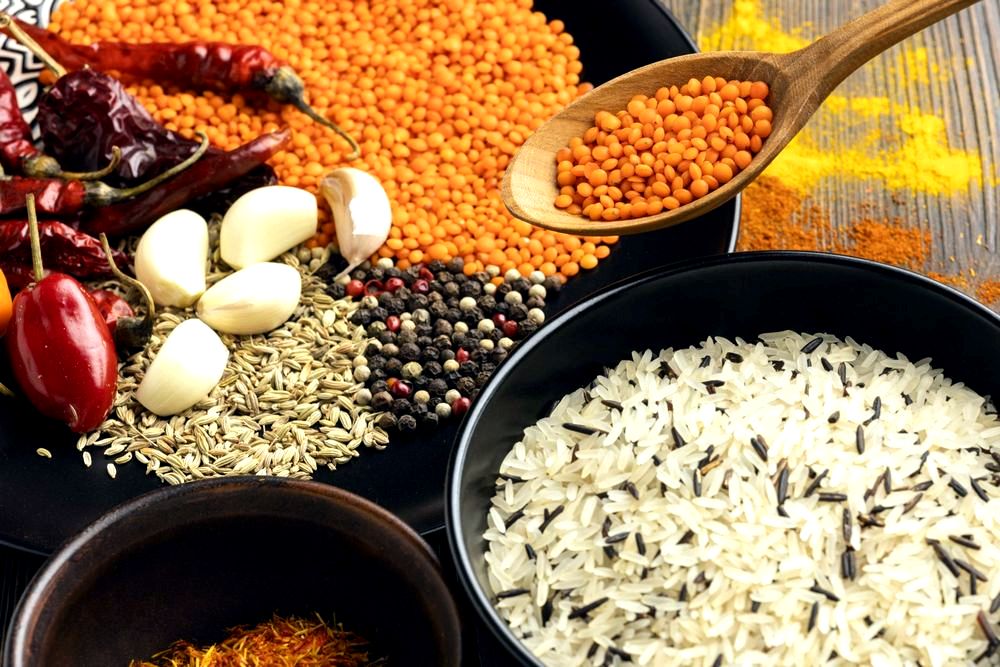
Among the most common traditional ingredients in traditional cooking, natural spices such as pepper, cumin, coriander, and caraway can be mentioned. Milk, yogurt, and aged cheeses are also part of the traditional ingredients used in traditional kitchens.
Traditional ingredients such as olive oil, honey, and dried fruits like dates, apples, and pears are used to prepare local and traditional dishes. These ingredients provide the dishes with the rich and unique taste they offer.

When using traditional ingredients in traditional cooking, it is important to pay attention to the quality and freshness of these ingredients. High-quality ingredients can ensure the fresh and quality taste of the prepared dishes, so it is important to choose high-quality and fresh ingredients to get the best result.
7. Symbols and Motifs in Traditional Cuisine
Traditional cuisine serves not only as a place for food preparation but also as a center for folk symbols and motifs that give it a special character and deep meaning. In every culture and social sector, various symbols and motifs can be found that reflect their unique values and culture.
Working in the kitchen is an art that combines taste sensation with creative ability.
Uri Cohen – Chef
In traditional cuisine, a wide variety of symbols and motifs can be found, such as leaves and plants as family names, special geometric colors and shapes. Each symbol and motif reflects the history and tradition of the people, giving the kitchen a unique and spiritual depth.
Symbols like grain and fruits represent fertility and abundance, while motifs like housewives and utensils symbolize love and peace in the family. Each of them influences the way cooking and eating are carried out in traditional cuisine, providing a unique and special taste to each dish.