



1. The Ancient Sources of Israeli Legends and Myths
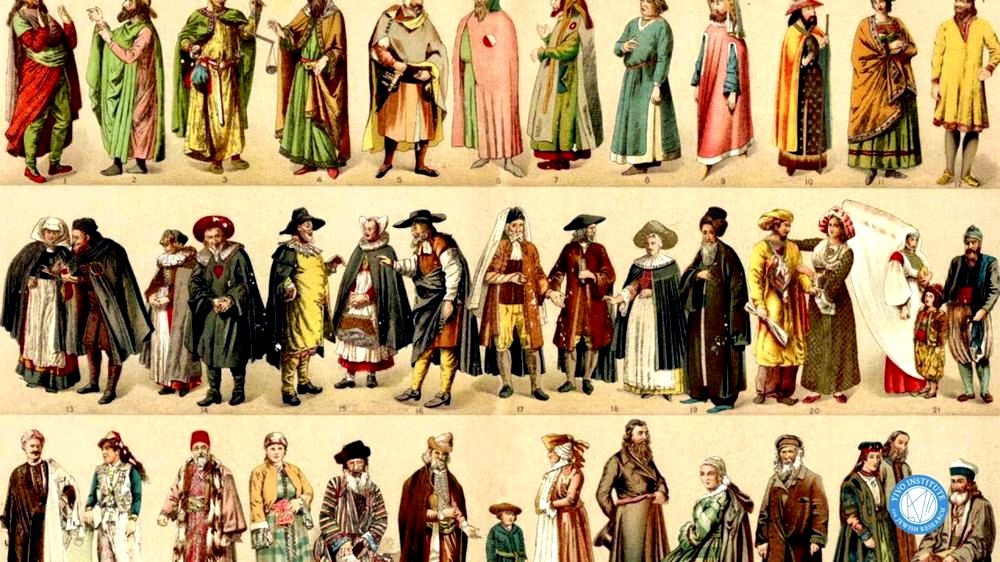
Israeli folklore reflects the enrichment of the various cultures that collaborated in its creation. Over the years, ancient legends and myths have emerged based on biblical, mythological, and historical stories. These stories are passed down from generation to generation and are an inseparable part of the cultural heritage of the Israeli people.
The Hebrew Bible serves as a central source for legends and myths in Israeli folklore. Stories like the tale of Joseph the Righteous, David and Goliath, and the story of Ruth the Moabite serve as the basis for many legends and myths. Jewish mythology, such as stories of angels and demons, also influences the creation of Israeli folk tales and myths.
In addition to the Bible, the ancient history of the Jewish people also influences the legends and myths in local folklore. Heroic tales like Bar Kokhba and Samson are part of the ancient heritage that has been preserved and turned into folk legends passed down through generations.
Ultimately, Israeli legends and myths reflect the spiritual and cultural world of the Jewish people. They provide a deep insight into the beliefs, values, and traditions of the Israeli people, helping us understand our unique identity.
Mythological Figures in Israeli Folklore
In Israeli folklore, a wide variety of mythological figures can be found that reflect the cultural heritage of the land. These are figures that exist in the collective imagination and are passed down through generations, serving as symbols and traditional characters that influence local folklore.
Legends have the power to pass down our culture to future generations
Yael Ben-David – Lecturer in Israeli Literature
One of the most famous mythological figures in Israeli folklore is the Leviathan, a traditional creature described as a giant and terrifying sea monster capable of harming people. This figure reflects the fear of the deep sea and its mysterious reality, appearing in a number of traditional stories and legends.
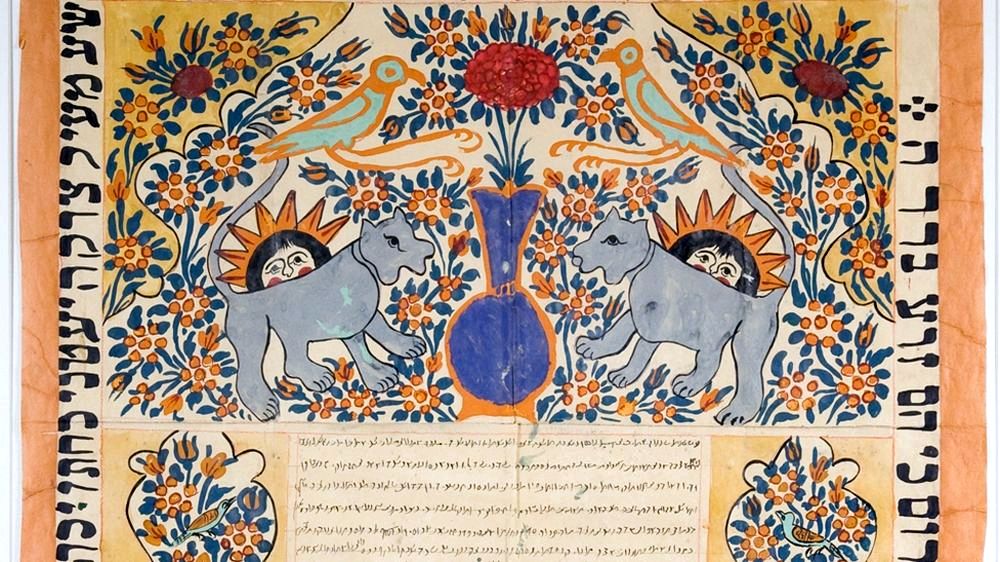
Another common mythological figure in Israeli folklore is Lilith, a traditional creature known as a messenger of darkness and evil. Lilith has various versions and descriptions in Jewish folklore, representing the liberated power and the conflict between good and evil.
In addition, Israeli folklore features other mythological figures such as the Nephilim, demons, and angels. Each of these figures reflects the traditional beliefs and values of Israeli culture, influencing the folk tradition and folklore of the land.
Folk and Traditional Stories in Israeli Culture
Israeli folklore is woven with folk and traditional stories whose tradition is connected to the ancient history of the land. Among the most common legends in Israeli culture are stories of heroes like Bar Kokhba and Samson the hero.
Israeli folklore contains legends that provide us with answers to the deepest questions
Abigail Cohen – Folklorist
These stories serve as windows to the distant past and the ancient Hebrew culture, offering us a deep insight into how people lived and thought in the past. They convey to us the messages and values that were important to them, allowing us to better understand the culture and history of the land.
These stories continue to fascinate us to this day, evoking various feelings such as excitement, enthusiasm, and even fear. They are an integral part of our cultural heritage, reminding us of our deep connection to the land and our history.
Music and Folk Dances Reflecting Legends and Myths
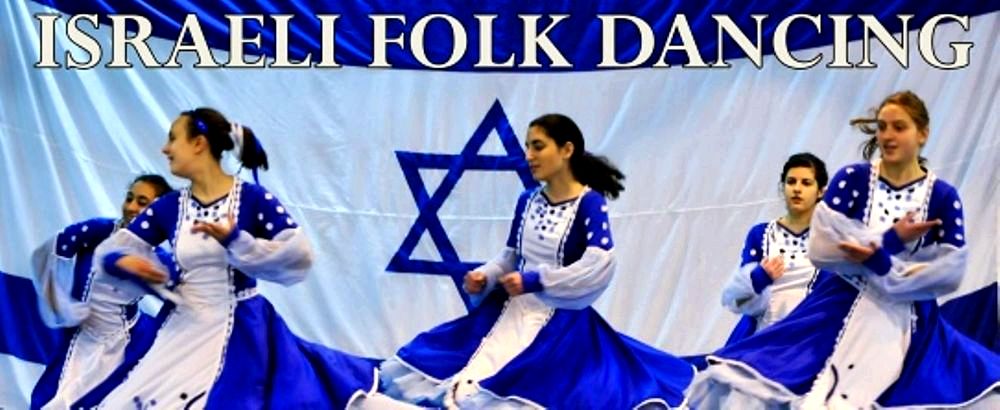
Israeli folk music and dances have played an important role in transmitting legends and myths through different generations. Through music and dance, the Israeli people have expressed their folk stories and deep beliefs.
Israeli folk music and traditional dances reflect the folk tradition of the Israeli people. Over the years, folk music and dance have developed and evolved while maintaining their sensitivity to folk legends and myths.
Folk music is usually performed using separate local instruments that represent the people’s culture. In addition, folk music often contains lyrics that tell folk stories and ancient traditions.
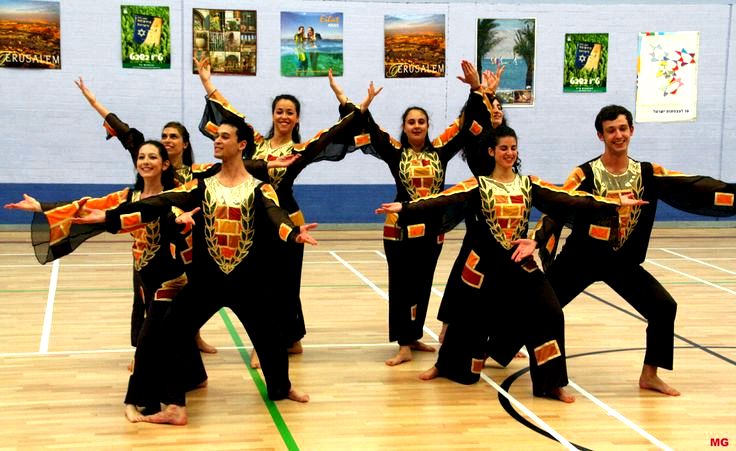
Folk dances also reflect the legends and myths of the Israeli people. During the dance, participants perform movements that symbolize traditional stories and folk legends.
In conclusion, Israeli folk music and dances vividly reflect the legends and myths of the people. Through them, the people continue to preserve their culture and pass down their folk tradition to future generations.
The Influence of Israeli Folklore on Modern Culture
Israeli folklore is central to Israeli culture and deeply influences the modern culture of the country. Ancient legends and myths serve as a source of inspiration for literary works, theater, music, and visual arts.
The influence of Israeli folklore is particularly felt in the field of music, where ancient songs are integrated into modern works, creating a unique sound that blends the past with the present. Additionally, ancient myths influence Israeli theater and cinema, serving as a source of inspiration for new works and productions.
Israeli folklore is full of stories that convey the deepest messages.
Aharon Cohen – Anthropology Researcher

Moreover, Israeli folklore influences visual art and design in Israel. Traditional motifs blend into artistic works, creating modern designs that combine the past with the present. Thus, Israeli folklore influences modern culture in Israel in all areas of art and creativity.
6. Leading Artists and Creators in Israeli Folklore
Israeli folklore is rich and diverse, reflecting the culture of the Israeli people in a unique way. Over the years, several leading artists and creators in the field of Israeli folklore have contributed to its enrichment, turning it into a national treasure of the Israeli people.
One of the leading artists in Israeli folklore is Meir Ariel, who composed ancient and unique Israeli myths and legends. His works strengthen the connection between the Israeli people and their land and ancient traditions.
Another prominent artist in Israeli folklore is Shlomo Alieb, who wrote and composed popular and traditional songs that reflect the emotions of the Israeli people and their sense of belonging to their cultural heritage.
One of the leading creators in Israeli folklore is Rachel Korn, who wrote and composed songs and performances that have become classics in Israeli culture. Her works allow viewers and listeners to feel close to the tradition and culture of the Israeli people.
Ultimately, the leading artists and creators in the field of Israeli folklore serve as cultural ambassadors of the ancient tradition and heritage of the Israeli people, helping to preserve and pass on its authentic heritage to future generations.