



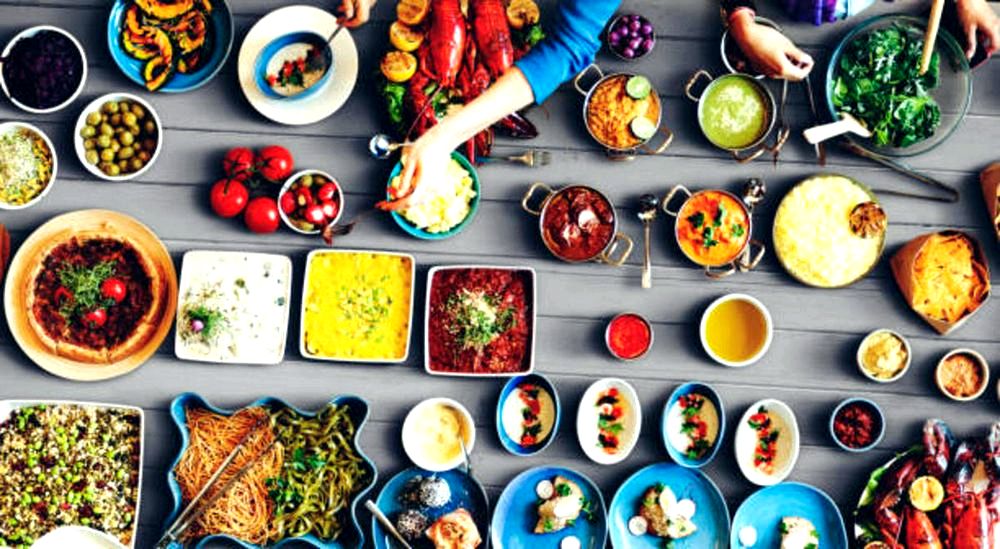
The Influence of Ashkenazi Jews on Israeli Cuisine
Ashkenazi Jews are an important cultural group in the history of the Jewish people. They arrived in the Land of Israel in the 18th century and brought with them their unique culinary traditions. Their influence is evident in the variety of dishes created in Israeli cuisine under their influence.
One of the most well-known dishes brought by Ashkenazi Jews is cholent. This is a unique dish baked in the oven and prepared on the Sabbath to comply with Sabbath laws. Cholent consists of meat, potatoes, onions, carrots, rice, and many spices.
Alongside cholent, Ashkenazi Jews also brought with them the dish kugel. Kugel is a rich dish made of noodles, meat, barley, and spices. It is baked in the oven and served with chulent, hot sauce, and a boiled egg.
The influence of Ashkenazi Jews is also evident in the cakes and pastries of Israeli cuisine. For example, kugel is a traditional dessert prepared during Passover and many holidays. It consists of a thin crust filled with a cream cheese filling and dried fruits.
Ultimately, the influence of Ashkenazi Jews on Israeli cuisine is evident in every corner of the country. They brought with them traditions and flavors that reflect their unique culture, and they continue to contribute to the Israeli cuisine even today.
The Influence of Sephardic and Mizrahi Jews on Israeli Cuisine
Israeli cuisine is a product of a diverse range of cultures and flavors that have been integrated over the years. One of the central influences on Israeli cuisine is the influence of Sephardic and Mizrahi Jews.
Sephardic and Mizrahi Jews brought with them their rich culinary traditions, including traditional foods like hummus, falafel, kubbeh, chickpea soup, and more. They influenced Israeli cuisine by using Eastern spices such as cumin, coriander, cumin, and paprika.
In Israeli cuisine, there is the power to change our lives
Oren Cohen – Author
Additionally, Sephardic and Mizrahi Jews brought with them various eating habits, such as eating food together in pots, eating chocolate with butter, and eating cheeses and fruits at the end of a meal. All of these contributed to making Israeli cuisine vibrant, flavorful, and diverse.
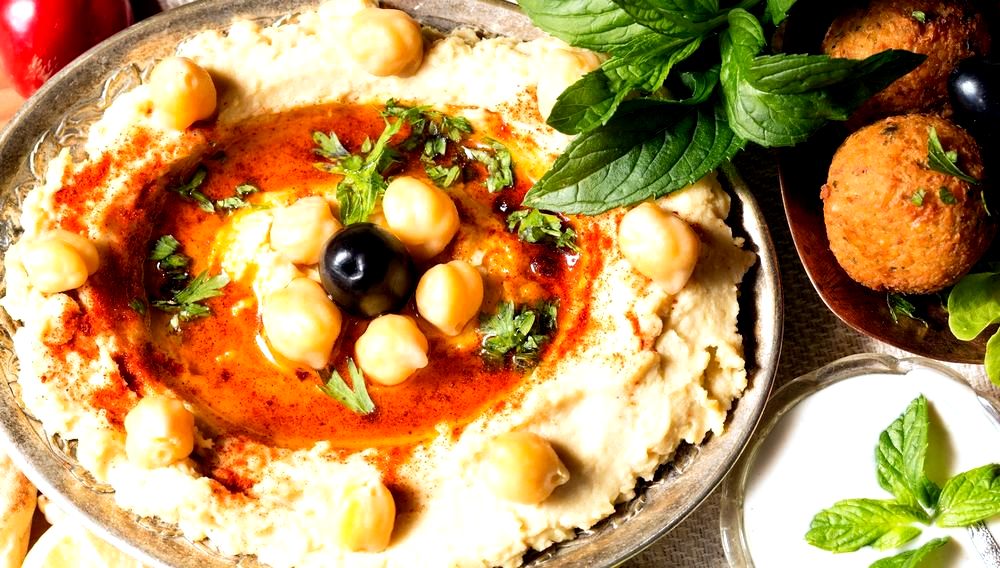
In conclusion, the influence of Sephardic and Mizrahi Jews on Israeli cuisine is evident in every progressive step of Israeli cuisine. The combination of different flavors and cultures creates a unique dining experience that characterizes Israeli cuisine and surprises with its flavors and health benefits.
Street Foods and Cultural Communities in Israel
Israeli cuisine is a diverse cuisine that combines a variety of flavors and cultures. One of the unique features of Israeli cuisine is the influence of street foods and the various cultural communities in the country.
Israeli cuisine offers a wide variety of flavors and dishes.
Dorit Levi – Pastry Chef

In the streets of Tel Aviv and Jerusalem, you can find a wide variety of street foods from around the world, such as falafel, hummus, shawarma, and more. These foods reflect the significant influence of immigrants and olim from different countries on Israeli cuisine.
Diverse cultural communities in Israel, such as the Ethiopians, Arabs, Druze, and Kurds, bring with them unique flavors and culinary traditions. The combination of traditional foods of different communities with modern dishes creates a fascinating and exciting taste story.
Israeli cuisine is not just about the foods in it, but also about the people and moments within it. In every street and market in the country, you will find Israelis of all ages and cultures sharing a love for food and joy in sharing it with others.
The Influence of Arab Food on Israeli Cuisine
Israeli cuisine is a product of a unique combination of different flavors and cultures, and one of the central influences on its development is the influence of Arab food. Arab cuisine brought to Israeli cuisine the pita bread, the Moroccan tagine, and the aromatic flavors it contains.

When Arabs settled in Israel in the 7th century, they brought their culinary tradition with them. They introduced new cooking techniques and brought with them special foods like hummus, falafel, and cumin.
One of the most popular Arab dishes in Israeli cuisine is falafel. It is a classic dish made of chickpeas, hummus, tahini, pickled salad, and tomatoes. Even hummus, a staple in Arab cuisine, holds a respected place in Israeli cuisine.
Another Arab dish that has become a staple in Israeli cuisine is shakshuka. It is an Eastern dish made of fried meat on the fire with onions, hot peppers, and spices. Shakshuka is considered a traditional and delicious dish that offers the authentic taste of Arab cuisine.
Ultimately, Arab food has had a positive impact on Israeli cuisine and has contributed to its unique development. The combination of Arab flavors with local ingredients created a variety and richness in flavors that characterize modern Israeli cuisine.
Values and Tradition in Israeli Cuisine
Israeli cuisine is not just about the taste but also about the values and traditions behind it. It combines the cultural influence of immigrants from around the world who settled in Israel, bringing diverse cultures and flavors.
Israeli cuisine reflects the folk values of the Jewish people and translates them into traditional dishes and foods. In Israeli cuisine, you will find many of the fresh and tasty foods that have become symbols of Israeli culture.
Values of social justice, respect for the elderly and guests, and love of the land are reflected in Israeli cuisine through its local and seasonal ingredients. When you indulge in the rich and refreshing flavors of Israeli cuisine, you also connect with a deep and ancient culture of the Jewish people.
There is no doubt that Israeli cuisine is more than just a list of dishes – it is an integral part of the tradition and culture of the Jewish people. In every plate, you will find a piece of our rich history that tells a story about who we are, where we come from, and where we are going.
Therapeutic and Medicinal Foods in Israeli Cuisine
Israeli cuisine is not only about its unique and diverse flavors but also about the various cultures that influence it. One of the unique features of Israeli cuisine is the combination of food and medicine, using therapeutic foods containing medicinal ingredients.
In Israeli cuisine, you can find a wide variety of natural medicinal ingredients, such as medicinal herbs, spices, and fruits with medicinal properties. For example, the seeds of the Harman plant contain a high amount of folic acid that helps reduce cholesterol levels in the blood, thus helping prevent heart and blood vessel diseases.
In every dish in Israeli cuisine, there is the magic of healing and the soothing balm for the soul
Shlomo Cohen – Barman
Moreover, the fish fried in olive oil, which serves as the base for most dishes in Israeli cuisine, contains omega-3 fatty acids important for heart health and preventing inflammation in the body. Also, popular spices in Israeli cuisine, such as cumin, coriander, and za’atar, contain medicinal components used to treat a variety of health issues.
In summary, Israeli cuisine offers not only excellent flavors and a unique texture but also an interesting combination of cultures and medicine. The use of therapeutic and medicinal foods in Israeli cuisine provides a special culinary experience that combines gastronomic pleasure with body and soul well-being.