



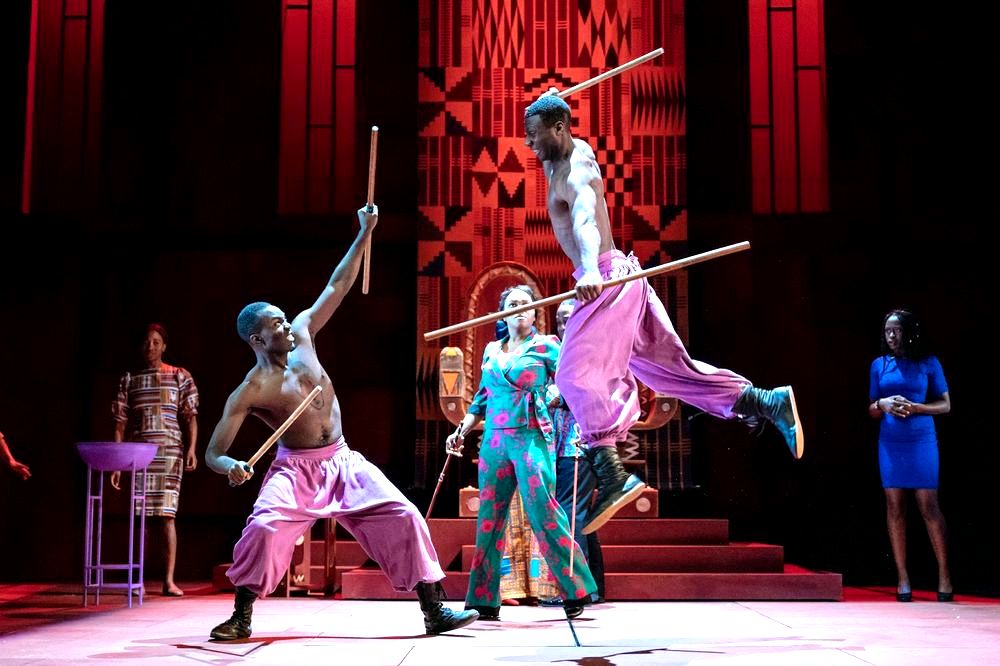
1. The History of Theater in Israel
The theater in Israel has been intertwined with the local culture since the founding of the state. Since the early 20th century, the theater culture in Israel has developed and become one of the central cultural activities in the country. Since the beginning of the century, Israel has been home to a wide variety of theaters, starting from mid-20th century performances with the Israeli National Theater, to contemporary performances.
The theater in Israel reflects the diverse and rich Israeli culture and society. It is a fascinating study tool in the cultural context of the country and the hub of a multidimensional cultural activity. The theater in Israel offers a live and intimate viewing of works by Israeli and international authors, constantly renewing itself with new and original performances.
The theater in Israel combines tradition with modernity, classical works with new creations, and various cultures in the state of Israel. Under the influence of classical and modern tradition, the theater in Israel offers a unique viewing experience that leaves a deep impression on the audience.
Over the years, the theater in Israel has changed and broken through in the world of culture and art. It continues to evolve and progress, bringing new and original works to the Israeli audience, and enhancing its impact among critics and viewers.
The Influence of Jewish Culture on Theater Art in Israel
Jewish culture is an inseparable part of the theatrical tradition in Israel, and its influence is felt in every corner of the theater in the state of Israel. Jewish culture has been a rich source of inspiration for theater artists in Israel, and it is clearly reflected in their works.
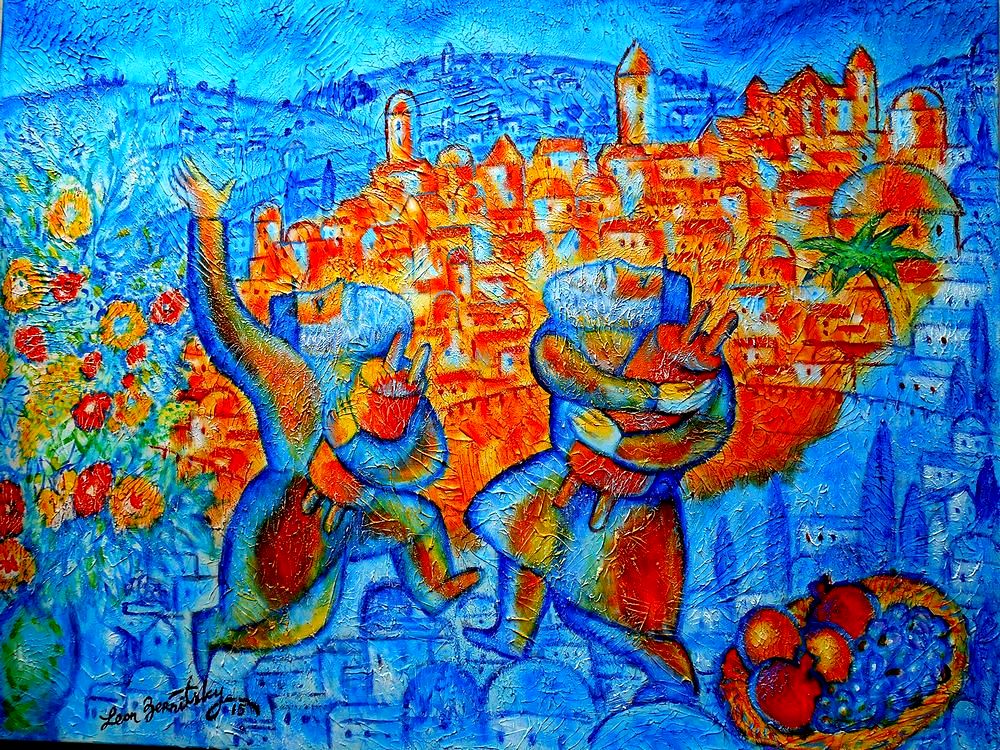
In Israeli theater, the influence of Jewish culture is expressed in a wide variety of ways. For example, performances based on biblical stories and characters from the scriptures are especially common during Jewish holidays such as Passover and Hanukkah. Other Jewish themes such as the Holocaust and Zionism are also integral parts of the theatrical canvas in Israel.
Art is a way to seek the truth
John Lennon – Singer and Writer
The influence of Jewish culture on theater art in Israel is also evident in the use of language and music. Many playwrights and producers in Israel use Hebrew to express the Jewish perspective. In addition, Hebrew poetry and original music are integral parts of performances in Israeli theater, uniquely influencing the audience experience.
In summary, Jewish culture is a central value in theater art in Israel and deeply influences the works and performances created in the state of Israel. Its influence is felt in every aspect of the cultural and artistic role of theater in this country, and it continues to impact the development and growth of the theatrical industry in Israel.
3. Modern Israeli Theater: Techniques and Styles
Modern Israeli theater explores various techniques and styles that reflect modern trends and values in society. Over the years, artists and directors in Israel have developed new and unique styles that combine traditional folk theater heritage with contemporary creativity.
One common style in modern Israeli theater is the use of interactive techniques and advanced visual effects. Throughout the performance, the audience is invited to actively participate and be part of the show, creating a unique and engaging viewing experience.
Another characteristic style of modern Israeli theater is the use of creative and innovative text adaptations. Instead of presenting the story in a traditional manner, performances use body language, movement, and objects to convey the narrative in an original and inspiring way.
Another common technique in modern Israeli theater is the use of music and sound effects to create atmosphere and emotional moments in the performance. The integration of music and voices with action and dialogue gives the performance depth and emotional texture that leads the audience to complex spiritual experiences.
In conclusion, modern Israeli theater represents a successful combination of theatrical tradition with innovation and creativity, allowing audiences to experience a unique and fascinating theater experience.
Contemporary Issues in Israeli Theater
Israeli theater grapples with contemporary issues that affect theatrical activity in the country. One of them is the difficulty of expressing sensitive and conflicting topics in Israeli theater. The question of how to preserve freedom of expression and allow open discussion on complex issues lies at the heart of public debate in this field.
Another contemporary issue is the challenge of integrating technology into the creative process in theater. How to combine live performance with virtual and multi-dimensional simulations using cutting-edge technologies poses an intriguing challenge for all artists in the theater industry.
Another topic that sparks debate is creativity and innovation in Israeli theater. In an age where digital media influences all aspects of life, how to maintain creativity and innovation in theater and adapt them to the modern technological world is a pressing question.

5. Audience and Viewers: The Role of the Audience in Israeli Theater
The audience in Israeli theater plays a central role in the success of the performances. Israeli audiences are referred to by artists and directors as an intelligent and culturally rich theater audience. The role of the audience in theater is no less important than that of the artistic team. The audience provides feedback, response, and inspiration to the artistic team, and sometimes even participates in the creation of the show itself.
In Israeli theater, the audience is invited to be part of the performance. It is a dialogical process between the artistic team and the audience, where each side influences the other. The audience is encouraged to delve into topics, express opinions, emotions, and reactions, and create a unique and fascinating theater experience.
In modern theater, the audience also serves as a driving force and a target for reaching a wider audience. A diverse and rich audience in terms of understanding and influence on theater is important to understand its needs and listen to its opinions.
The audience in Israeli theater is not just spectators but active and important participants in the creation of theatrical culture in the state of Israel. Each of us, as part of the audience, can influence the future of theater in the country and contribute to the trends of modern theater directly.
After the show, it is recommended to hold an open and constructive discussion between the audience and the artistic team. This is an excellent way to deepen our understanding of theater culture and promote cultural dialogue in Israel.
In conclusion, the audience in Israeli theater comes in all shades and forms, and it is an integral part of the creative and fascinating process of theater in the country. As recipients and participants, the audience joins the cultural struggle and contributes to the future of Israeli theater.
6. Creativity and Innovation in Israeli Theater
Theater in Israel is a creative space where ancient traditions blend with new and innovative ideas. Creativity and innovation in Israeli theater are central values that come in diverse forms, expressing the cultural identity of the country.
In Israeli theater, many works combine various art forms, such as dance, singing, and festival theater, reflecting the cultural diversity of Israel. This combination of different cultural backgrounds gives Israeli theater richness and unique strength.
Theater in Israel is considered a space where artists focus on innovation and creativity, conveying the rich cultural dialogue of the country. The theater works in Israel reflect the social and political reality, emphasizing human experience and empathy alongside artistic innovation and courage.
Art is a form of communication that has no main item
Leonardo da Vinci – Renaissance Artist
In Israel, theater also serves as a tool for renewal and social change. Through creativity and innovation in the field of theater, discussions can be sparked, social changes promoted, and different voices in society exposed.
In summary, creativity and innovation in Israeli theater are an integral part of the traditional and modern culture of Israeli society, and their diversity reflects the various shades and levels of Israeli society.
Theater is a means of expressing ideas, emotions, and experiences.
Marilyn Monroe – Actress
Cultural Viewing in Israeli Theater: Challenges and Opportunities
Cultural viewing in Israeli theater presents a variety of challenges and opportunities. In Israel, theater is an integral part of cultural and artistic life, reflecting the cultural trends and values of society.
One of the main challenges is to attract young audiences to theater and artistic creation. With the advancement of technology and digital media, there is a need to adapt performances and productions to the younger and more modern audience of today.

Additionally, Israeli theater faces the challenge of presenting the cultural and national diversity of the country. With a wide and diverse audience, it is important to create works that reflect the cultural diversity and concentration of Israel.
Alongside the challenges, there are many fascinating opportunities in the cultural viewing of Israeli theater. Israeli theater succeeds in influencing society and sparking discussions on important and relevant topics.
Moreover, Israeli theater offers opportunities for local and international artists to express and create in a place where cultural diversity and artistic freedom are nurtured and encouraged.
In conclusion, cultural viewing in Israeli theater presents fascinating challenges and opportunities that impact the culture and art in the entire state of Israel.