



Origins
Ancient nations are the oldest nations in the world with fascinating histories that span thousands of years. These are nations whose influence continues to this day and are an inseparable part of human history. Ancient nations are central forces in the development of the world’s culture, science, and art.
History is the best teacher
Marco Tizzirò – Philosopher
Leading the ancient nations is China, one of the most developing countries in the world. Its ancient culture is preserved and fascinating to this day, directly influencing global culture. China is considered a leader in science and technology and is among the most developing countries in the world.
Another fascinating ancient nation is Egypt, one of the oldest countries in the world. Egypt is famous mainly for its pyramid culture and its influence on the ancient world. Egypt, which was established as a state around 3100 BC, plays a central role in human history.
These are just a few of the ancient nations that have played a central role in world history, and their influence is still evident today. The cultural and historical heritage of these nations is an inseparable part of the general heritage of humanity and enriches our knowledge of the past and present.
Culture
The culture of ancient nations is a source of inspiration and learning. It reflects the history, tradition, and values of different peoples. Over the years, these cultures have undergone changes and developments but still maintain certain characteristics that transcend time.
Within each culture, one can find art, music, cuisine, clothing, and more, reflecting the unique identity of the people. All aspects are part of the cultural language of the nation and influence the daily lives of people in that culture.
The Middle East, Africa, India, and more, contain ancient and rich cultures that still fascinate the world with a wide variety of art and tradition.
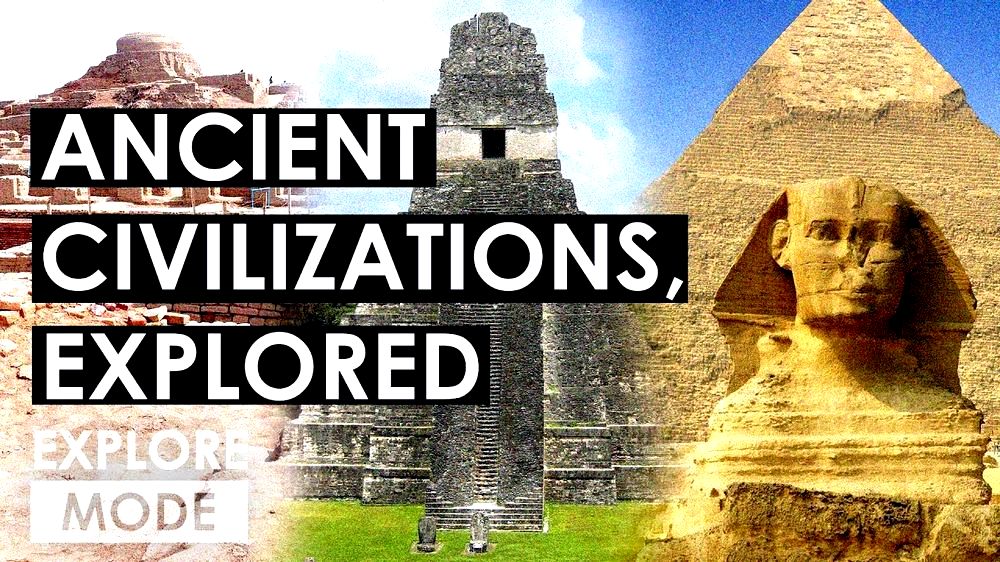
In conclusion, the cultures of ancient nations are an important part of the human world and provide exercises for preserving and passing on knowledge and values to future generations.
Food and Cuisine
Cuisine was one of the most important centers of every nation. Food was not just nourishment but also part of culture and tradition. Each nation had its own cuisine where fresh and tasty dishes were prepared. The food prepared in the kitchen reflected the environment and nature, using natural and fresh ingredients.
In the past, the food served in the kitchen was the perfect display of the culture and heritage of the people. The development of food and cuisine depended mainly on the time and place where those people lived. Each nation prepared different dishes that described their historical and cultural path.
Food was reflective of agriculture and vegetation in each land. Various dishes, from soups and desserts to main dishes, symbolized the culture and tradition of the nation.
Art and Sports
Art and sports were an integral part of the lives of ancient nations. Throughout history, they played an important role that cannot be ignored. Art was a way to express the culture and heritage of the people and a way to convey social and political messages.
There is no meaning in the present without the past
Albert Einstein – Physicist
In the artistic works of ancient nations, one can find the values and beliefs of the people, understanding the life practices they used to follow. Paintings, sculptures, music, and writing were part of the art created and published in ancient times.
In addition, sports were part of the daily lives of the ancient nations. Games like races, jumps, fights, and chariot races were important events in the people’s lives. They played an inseparable role in strengthening social bonds and uniting the nation.
In conclusion, art and sports were an integral part of the lives of ancient nations. They played an important role in understanding the culture and history of the peoples, contributing to strengthening social bonds and creating a national identity.
Religion and Mysticism
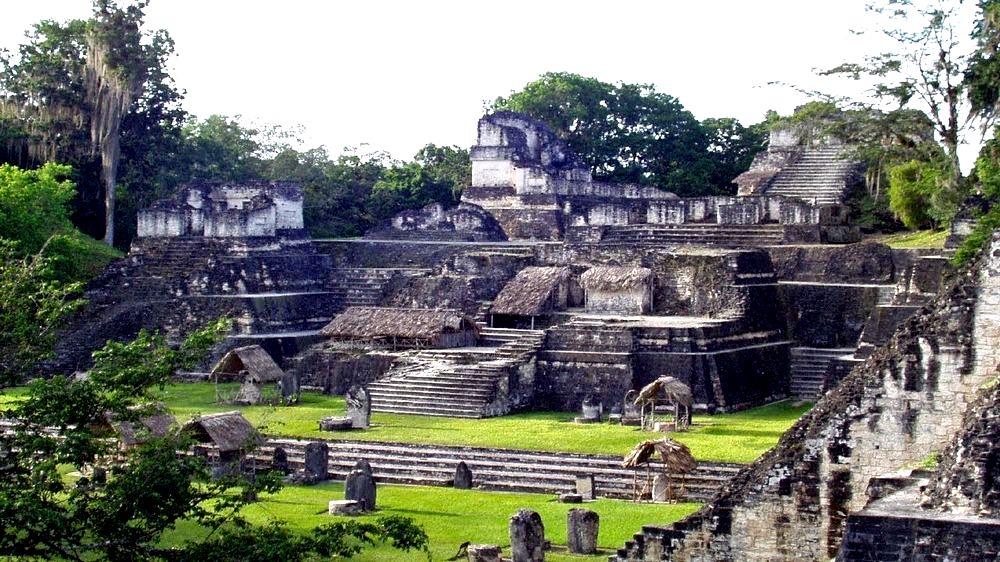
Faith and religion were an inseparable part of the culture of ancient nations. In most cases, religion played a central role in people’s lives, and they lived according to its instructions. Their beliefs were the background for all their actions and decisions.
The past holds the key to the future
Sigmund Freud – Psychoanalyst
Mysticism, on the other hand, was a whole world of prophecies, charms, and supernatural powers. Mysticism was a way to understand the spiritual world and connect with it. Believers thought that by accessing the spiritual dimension, they could receive answers and solutions to all kinds of problems and questions.
Today, most people are distant from religion and mysticism, but it is still an important part of human culture. In several cultures, there are still people who believe in supernatural powers and their ability to improve their lives through prayer, charms, and special rituals.
Religion and mysticism are part of the cultural heritage of humanity, not only in the past but also in the present and future.
Language and Literature
The language and literature of ancient nations are an inseparable part of their culture. Language was not only a means of communication but also a way to convey stories, myths, and history. As a result, the literature of ancient nations was diverse and rich.
In each nation, one can find its unique language and literature. Every nation brought its stories, myths, and poems into the world in its own special language. In this way, language and literature became an integral part of the national identity of each nation.
The literature of ancient nations was diverse and fascinating. Various literary works were written in the local language, aiming to convey the messages and values of the nation. Scriptures, myths, poetry, stories, and philosophy became part of the literary heritage of ancient nations.
In conclusion, the importance of language and literature in establishing a culture and understanding the history of each nation should not be underestimated. They serve as tools for preserving cultural heritage and national identity, as well as for passing on messages and values from generation to generation.