


1. Archaeological Periods
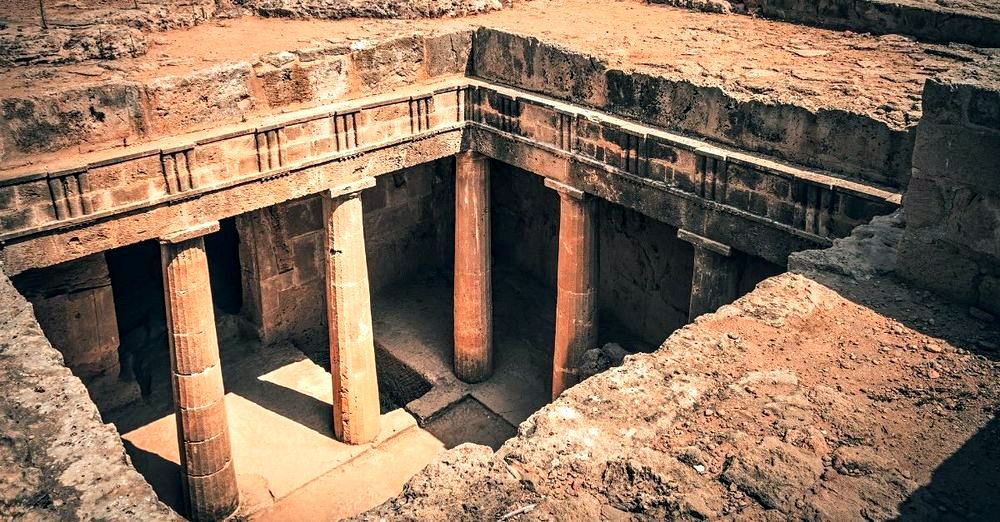
Archaeology is a scientific field that deals with excavations and the study of ancient remains buried in the earth. The history of archaeology spans thousands of years, from ancient empires to today. Over the years, various archaeological periods have been opened and explored, characterizing the development of humanity over recent years. These periods reflect the cultures and societies that survived in those eras, and highlight the key milestones in human history.
One of the earliest periods researchers are interested in is the Neolithic period, which contributed to the settlement process of humans and the development of early tools. Since then, cities were built and the milestones of human development were replaced by new preferences and changes in culture and society.
Another period under investigation is the Classical Antiquity period, prominent among the Greeks and Romans. During this period, public buildings and important monuments were constructed, and important evidence of the daily lives of ancient inhabitants was uncovered.
At sunset, the past comes to life thanks to archaeological discoveries
Avraham Golan – Biblical Archaeology Director
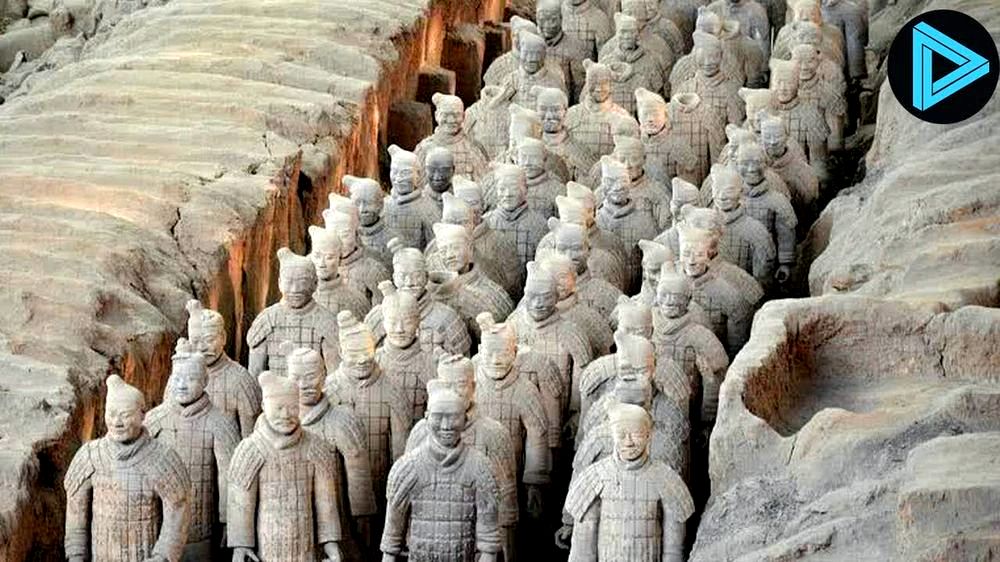
During the Late Antiquity, when there was a new development in art and architecture, this period also interests researchers. Discoveries from this period reflect the social and cultural changes that occurred during those years.
Finally, the Middle Ages and the Modern Era are also of great interest to researchers. Archaeological excavations and research allow us to learn more about the geographical and cultural spread of humanity over recent years.
Discovery of Ancient Artifacts
During archaeological excavations throughout the country, fascinating ancient artifacts have been found that testify to the culture and life that existed in the renowned regions.
Among the artifacts found are decorated pottery, glassware, ceramics, flint tools, and more. Each discovery reflects the life and limitations of the ancient culture, allowing us to better understand the past and its place in history.
The ancient artifacts found provide important information about the cultures that lived in archaeological areas, and the need to preserve the archaeological heritage for future generations.
3. Archaeological Research and Excavations
Archaeological research is an important part of historical and anthropological research. During archaeological excavations, fascinating finds are discovered that shed light on the past and the various cultures that developed throughout history.
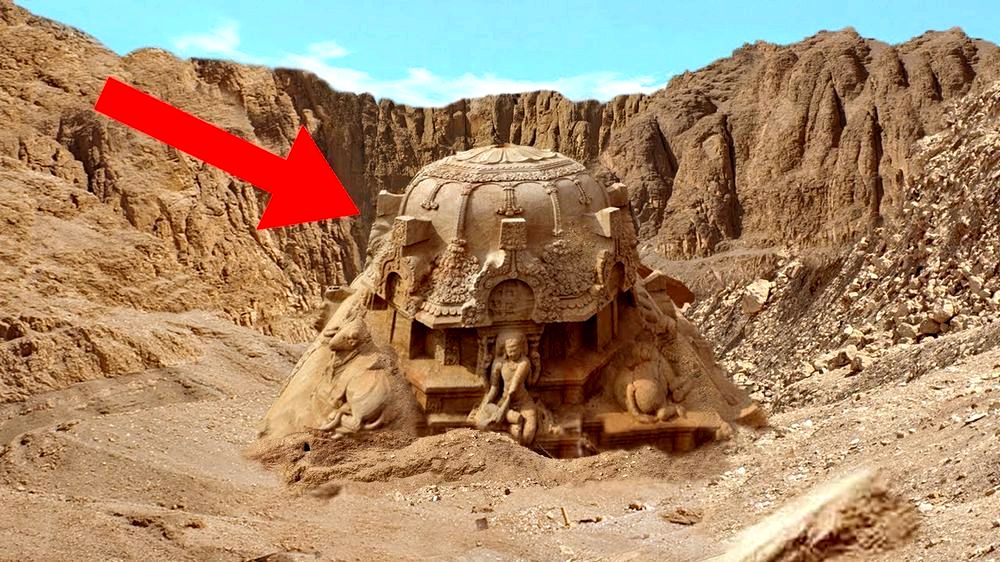
Archaeological excavations are carried out using advanced tools and the expertise of specialists in the field. During excavations, researchers come across unique finds that can change our understanding of the past and the cultures that thrived in it.
In Israel, there are numerous archaeological sites that are continuously excavated and researched. Excavations at these sites lead to fascinating results, such as archaeological finds that significantly contribute to the understanding of the history of Israel and the Jewish people.

Archaeological research provides a close look at life in the past and the cultures that flourished. Archaeological finds testify to various historical periods and the social and cultural processes that influenced humanity.
New Discoveries and Recent Revelations
In recent years, fascinating archaeological finds have been recorded, providing new insights into the ancient past of the Earth. During excavations and research worldwide, ancient tools, inscriptions, and human bones from thousands of years ago have been found. These discoveries assist researchers in building a more complete and comprehensive picture of human history.
Archaeological excavations provide a glimpse into a world we could not imagine
Rebecca Isaac – Professor of Archaeology
One of the most fascinating discoveries in recent years is the excavation of the ancient city of Pompeii, considered one of the most magnificent Roman cities in the world. During excavations at the site, impressive buildings, paved streets, and advanced communication systems were found, indicating the high level of development of the city in the past.
Researchers also discovered the oldest museum in the world in the city of Giraffe in Egypt, containing a rich collection of sculptures, jewelry, and ancient inscriptions that allow us to understand more about ancient Egyptian culture.
Additionally, recent discoveries in the Northern Levant surfaced a few years ago when researchers found ancient caves and metal tools indicating agricultural activities and community life in ancient times.
The Significance of Archaeology for History and Culture
Archaeology is a research field that investigates the past through excavations and studies in historical backgrounds. The field serves to uncover the past and understand the culture and history of humanity. Archaeology is important because it deals with the whole, not just with specific events or individuals. When we investigate archaeological findings, we gain a full and comprehensive picture of the society and culture of that time and place.
Archaeology helps us understand the historical processes that humanity has undergone and see how they influence the present. Thanks to archaeological finds, we can understand how cities and structures were built in the past, what the daily life of people looked like, and which religions and traditions they followed.
Archaeology also helps us preserve our cultural heritage. By investigating archaeological sites, we can preserve the historical heritage of a nation and keep memories from the past. Additionally, archaeology helps us understand the changes that have occurred in culture and society and learn from them for the future.
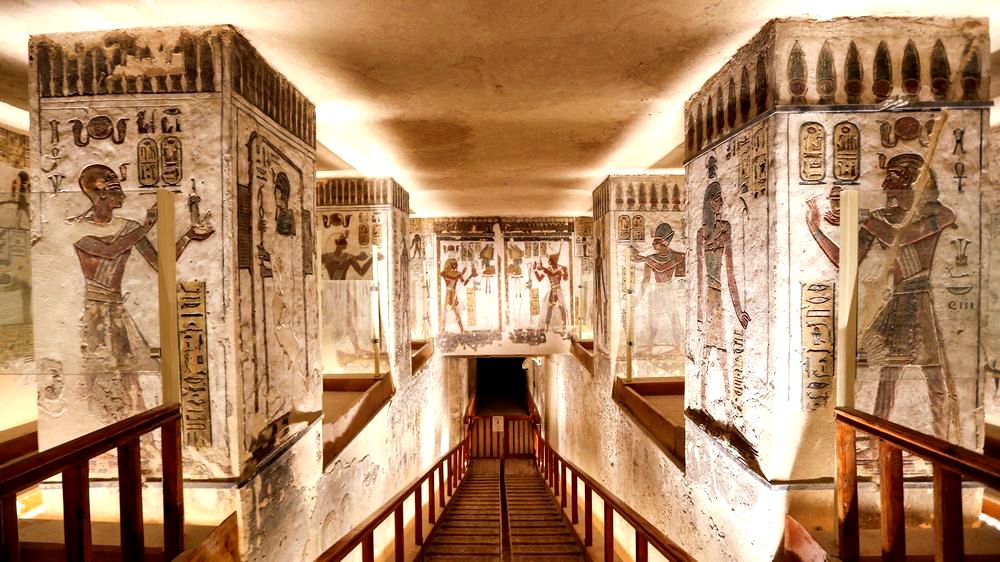
In conclusion, the importance of archaeology for history and culture is immense. The field allows us to be impressed by our past, understand the present, and preserve our cultural heritage for future generations.
6. Excavation Techniques and Analysis Methods
Archaeological excavations are a complex process that combines the use of various techniques and advanced analysis methods. During excavation, researchers use special tools and equipment to expose layers of soil and investigate the archaeological finds within. Excavation techniques include trial excavations, stratigraphic excavations, and large-scale excavations.
Archaeology has the power to deepen our understanding of human history and culture
Yaakov Cohen – Chief Archaeologist
After excavation, various analysis methods are used to investigate the artifacts hidden within the soil. Carbon analysis identifies the age of the excavation, while graphic board analysis identifies architectural structures. Digital documentation methods allow precise preservation of artifacts and advanced laboratory analysis.
Additionally, innovative techniques such as lasers and three-dimensional scans allow researchers to explore archaeological sites in a precise and scientific manner. All these techniques and methods are combined to bring accurate and in-depth results in the field of archaeology and lead to a better understanding of human history.
7. The Influence of Archaeological Findings on Modern Society
Archaeological findings have a significant impact on modern society. They provide us with information about our past, its sources, and roots, and enhance our understanding of the diversity of cultures and antiquities that existed in the past. Additionally, archaeological findings help us preserve our cultural heritage and thrive in the fields of culture and art.
In the modern age, archaeological findings also serve as tools for studying modern history and culture. They help us understand the social and cultural changes that have occurred in recent decades and improve our understanding of the new developments taking place in society. Moreover, archaeological findings may serve as a source of inspiration for artists and designers in creating modern works.
Archaeological systems make a significant contribution to modern society, positively influencing society and its creativity. Archaeological findings allow us to reflect on the past and build a more fascinating and captivating future.