



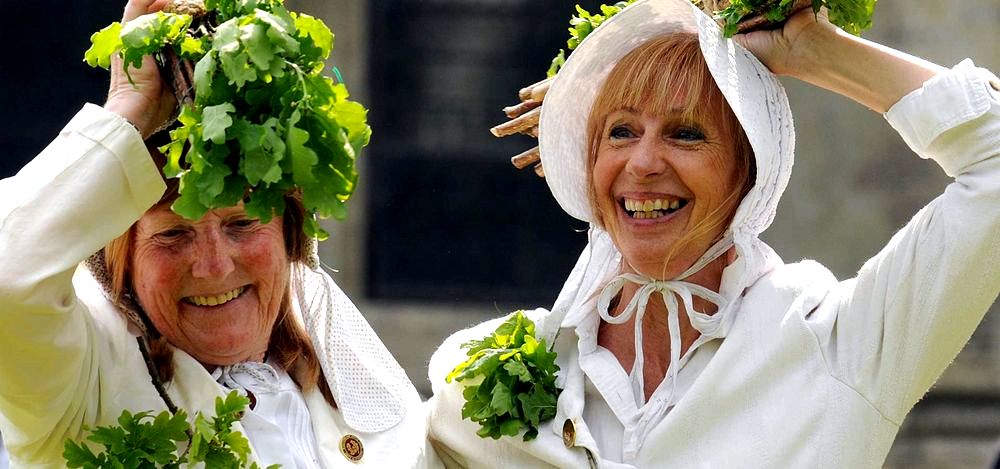
1. The Meaning of Folklore and Folk Tradition
Folklore is the worldview and folk art expressed through creative cultural expressions that serve as tools for conveying popular messages and feelings. Folk tradition is the cultural heritage of the people, encompassing its traditions, beliefs, mythology, and artistic culture. Together, they form the foundations of the cultural identity of the people.
Folklore and folk tradition reflect the history, beliefs, values, and culture of the people. They serve as a bridge between generations and as a means of passing messages from one generation to another. By practicing and preserving folklore and folk tradition, we ensure that our cultural heritage remains alive and contributes to future generations.
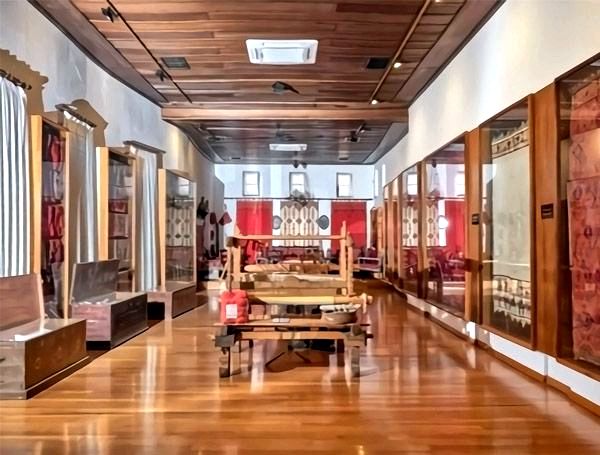
Folklore and folk tradition offer us unique perspectives on life, love, honor, and many other emotions. They enable us to understand our origins and to embrace the warmth of the past, even as we live in a modern and technological world. Folklore and folk tradition are integral to our identity and community.
The Influence of Folklore and Tradition on Israeli Society
Folklore and folk tradition are integral to Israeli culture. They influence not only art and music but also society and our national identity. Folk traditions have passed from generation to generation and played a significant role in shaping the identity of Israel.
Folklore and folk tradition may impact Israeli society in various ways. They promote positive attitudes and social values, helping to build a strong and united community. Through song, dance, and traditional celebrations, folklore enhances social cohesion and connection to our cultural roots.
In Israel, the influence of folklore and tradition can also be seen in art and sports. Folk music and traditional dance serve as expressions of culture and connections to the folk heritage. Additionally, in celebrations and birthdays, folk tradition is presented vividly, fostering partnerships and camaraderie among people.
The folk morale is a code passed down from generation to generation, teaching us about freedom and responsibility.
Sarah Cohen – Folklore Researcher
Folklore and folk tradition are essential parts of Israeli culture and have a vital impact on society. Through songs, dances, and local traditions, we connect with our roots and preserve a shared identity as a people.
3. Folklore and Folklore Tales
The folklore and folk tradition of every people are integral parts of their culture. Within folk tradition are tales and legends passed down from generation to generation, inseparable from the national and cultural identity of the people.
Folk tales and legends vary and adapt according to the place and time of their creation. There are stories of legendary heroes, mythological creatures, and natural phenomena based on specific mythology.
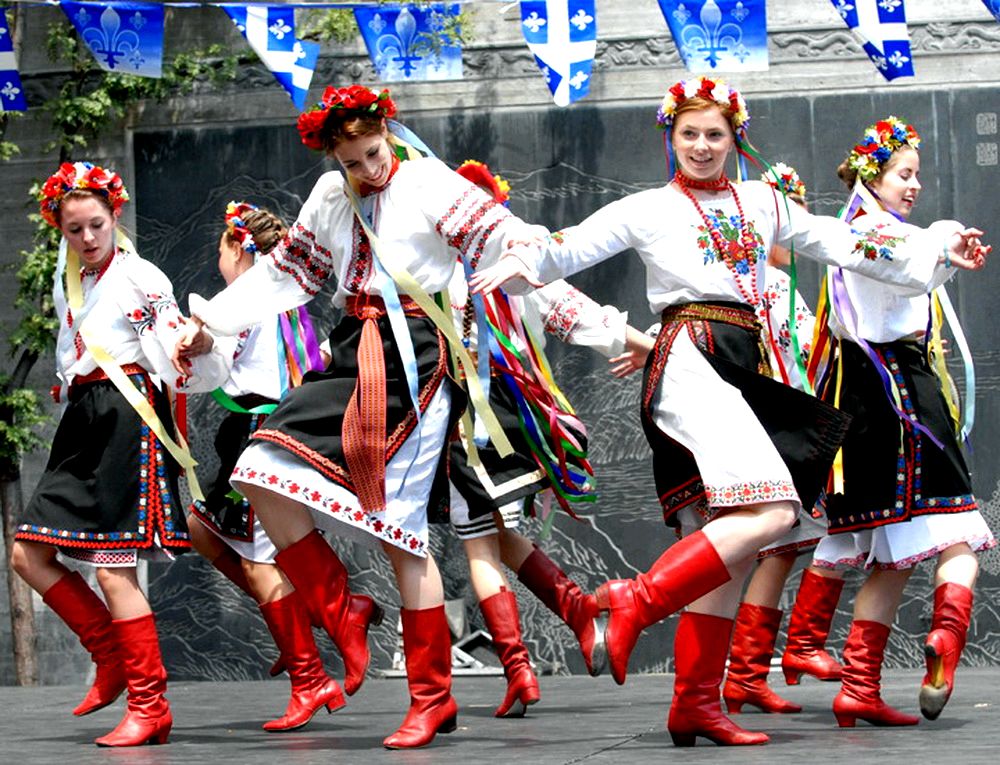
Folk tales and legends often serve as a means of imparting morals and lessons to the next generation. They also transmit knowledge and history, thus being an integral part of the folk culture of the people.
Folk tales and myths contribute to social bonding among people and strengthen connections between different generations. They provide a sense of belonging and national identity, reminding people of their origins and history.
4. Folk Music and Dances
Folk music and dances are integral parts of various cultures worldwide. Over the years, this folklore has been preserved and passed down from generation to generation to maintain a rich cultural heritage. Folk music combines local musical instruments and traditional musical forms, creating unique sounds and melodies that convey deep emotions.
Folk dances also serve as a way to express emotions and feelings, making them significant in celebrations and social events. These dances involve unique body movements, steps, and synchronized movements that allow participants to connect with the music and unite with the audience.
Through our words and actions, the folk activity reveals the folk wisdom passed down from generation to generation.
David Cohen – Author and Researcher
Folk music and dances also serve as means of transmitting social and cultural messages, crucial for continuing the tradition and innovations in folk art. In every culture, stories and mythology are conveyed through music and dances, facilitating the transfer of cultural heritage from generation to generation.
5. Mezuzahs and Religious Symbols in Folk Tradition
Mezuzahs are inseparable parts of the religious folk tradition of the Jewish people. They symbolize the home and serve as a reminder of God and protection of the household from evil. The mezuzah is placed at the entrance of the house with verses from the Torah inscribed on it, reminding individuals and families of life and family values. Mezuzahs represent the deep connection between people and God and also symbolize protection and defense.
In folk tradition, other religious symbols are common, such as the Hamsa and the Evil Eye. The Hamsa, a symbol of protection from evil, is represented in jewelry, household items, and architectural designs. The Evil Eye, a symbol for protection from the evil eye, appears on jewelry, homes, and tableware.
These symbols and mezuzahs are integral parts of the religious and folk heritage of the Jewish people, serving not only as religious symbols but also as symbols of protection and defense for the home and family.
6. Narrative Tradition and Hebrew Folk Stories
Hebrew folk stories are inseparable parts of the tradition of the Jewish people, reflected in language, music, and storytelling tradition. Folk stories tell about the life reality of the people, their deeds, and traditions. They are imbued with beliefs and morals, serving to pass narratives from generation to generation.
Folk stories exist in a wide range of areas, such as mythology, hero stories, orchard tales, righteous stories, and more. They are written in simple, people-centered language and sometimes stem from personal experiences of the storyteller.
In Hebrew tradition, folk stories were generally passed down orally from generation to generation. However, many of them were written and preserved in various writings, such as the Bible, the Talmud, and rabbinical literature.
Folk stories are part of the rich folk tradition of the Jewish people, serving as tools for transmitting knowledge, learning, and worldviews. They offer a deep insight into the people’s culture and the values they cherish and preserve.
7. Folk Singing in Israeli Culture
Folk singing is an integral part of Israeli culture, reflecting the people’s tradition and history. Through folk singing, important aspects of daily life, faith, love, and social connections among people are conveyed.
Folk singing in Israeli culture is diverse and rich, reflecting the rich culture of the Jewish people. Through folk singing, emotions, hopes, dreams, and unique connections between people are expressed uniquely and distinctly.

Folklore is like a painting of culture, shaking the position of the past and the present.
Naomi Levy – Folklore Teacher
Folk singing in Israeli culture reflects the folk tradition of the people and the folk values passed down from generation to generation. Folk singing is an integral part of the cultural identity of the Jewish people and helps preserve their folk heritage.
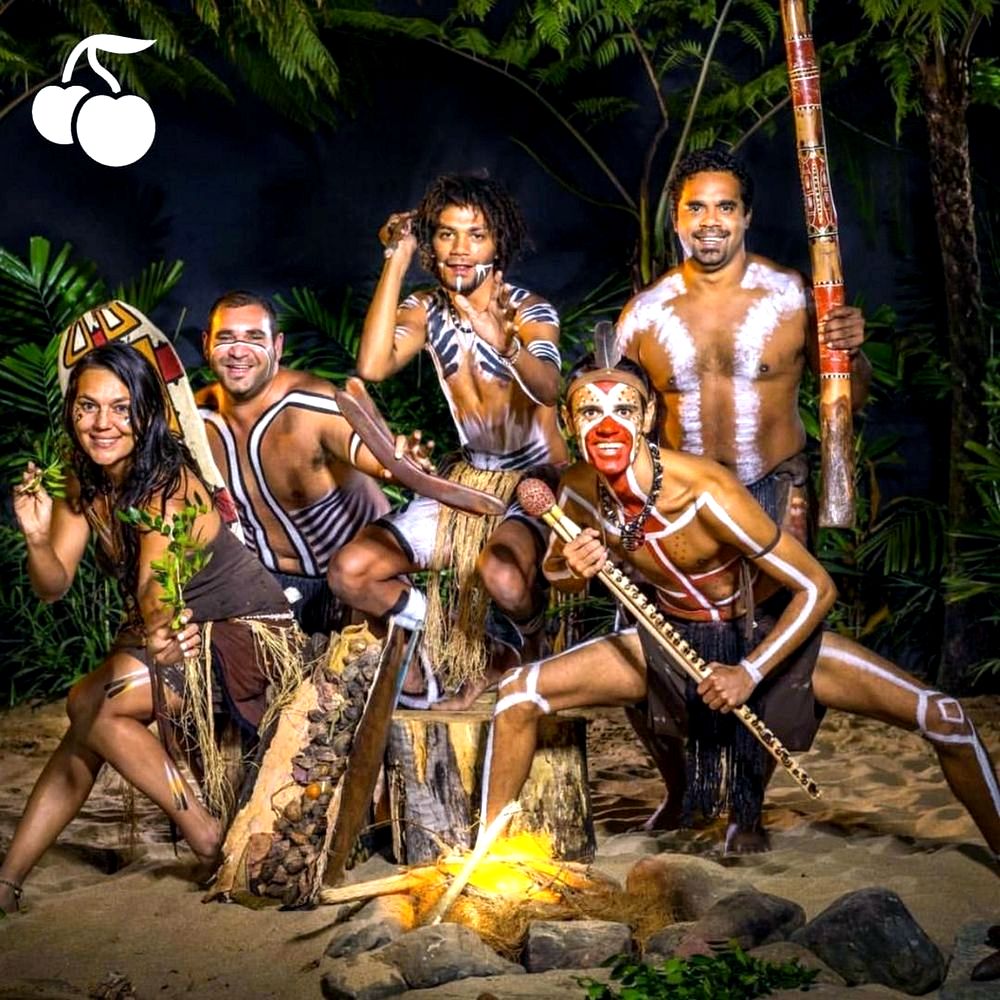
Through folk singing, social and political demands can also be expressed, pointing out different social and political situations. Folk singing also maintains memory and appreciation for people who were important in the history of the Jewish people.