



1. Military Traditions in the Kitchen
In the Israeli kitchen, deep military traditions have been passed down from generation to generation. They are integrated in every corner of the kitchen, from food preparation to the way meals are served. One of the central traditions is the way food is prepared and served, which is done in an organized and military manner.
When I’m in the kitchen, I am in a place where the best flavors are always present
Israel Cohen – Chef
Constructing the menu in the Israeli kitchen requires precise planning and great focus. Plans and corrected documents are written in advance and kept in a protected and safe place. Additionally, there are meticulous inspection and auditing processes that ensure the quality of the food and the accuracy of the recipes.
In fact, the Israeli kitchen is like a military operation that requires perfect organization, coordination among soldiers (yes, the honor of a sergeant major around the world depends on the various nicknames), and a lot of perseverance and commitment to the ultimate goal – to provide a tasty and nutritious meal.
Religious Traditions in the Kitchen
In the Jewish kitchen, religious traditions are reflected in a unique and fascinating way. Religious food reflects the tradition and faith of the Israeli people, and comes with necessary regulations and customs.
One of the well-known religious traditions in the Jewish kitchen is the koshering of food. The Torah defines which foods are considered kosher and permissible, and which foods are forbidden. According to Jewish law, it is forbidden to eat pork and fish without scales, and it is also forbidden to eat meat with dairy.
Another religious tradition in the Jewish kitchen is working on the Sabbath. On the Sabbath, it is not allowed to cook and reheat food, so many prepare the meal for the Sabbath on Thursday or Friday morning.
Body, soul, and spirit, therefore, the traditions available in the kitchen reflect the faith and sanctity of the Jewish people. While eating enters the body, it also influences the soul and captivates the spirit.
Family Traditions in the Kitchen
In the family kitchen, a wide variety of traditions passed down from generation to generation can be found. These traditions reflect the history and culture of the family and a variety of everyday moments.

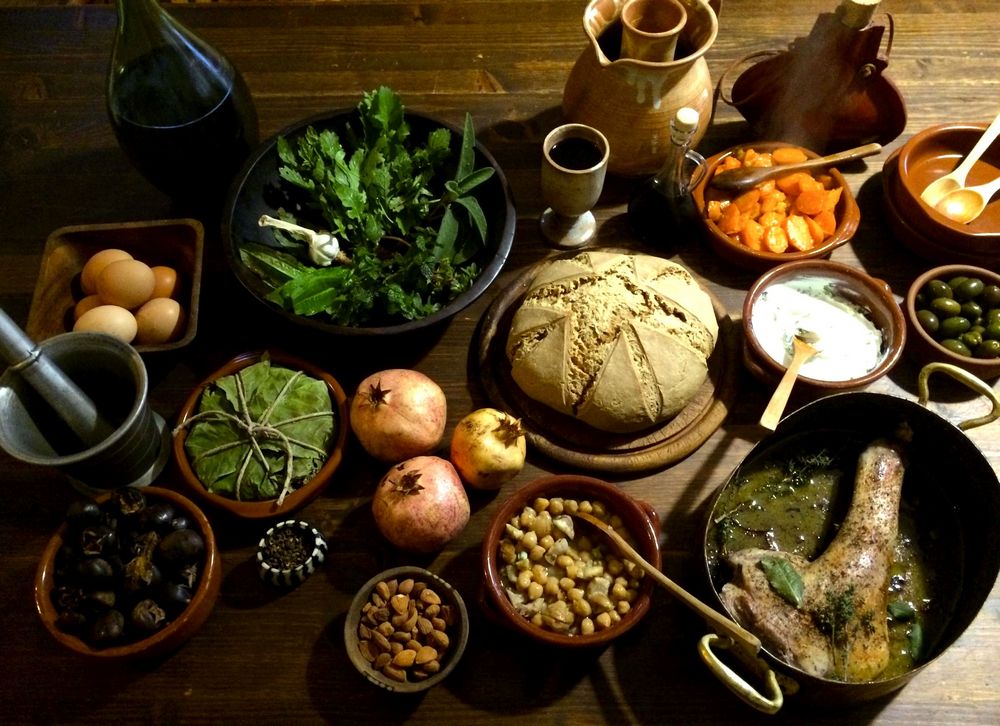
One of the most well-known traditions is preparing certain dishes on special occasions such as holidays and celebrations. For example, the Jewish tradition teaches us that on Passover we eat matzah and bitter herbs, and on Shavuot we prepare cheese and sweet pastries.
Another common family tradition is preparing specific dishes at certain times of the year, such as apple cake on Sukkot or jelly doughnuts on Hanukkah. Each of these dishes reflects the connection of the family to Jewish tradition and culture.
In addition, there are traditions of entering the kitchen and participating in food preparation to pass on knowledge and techniques from generation to generation. When children participate in cooking with their parents and the family environment, they learn to appreciate the food and the tradition of its preparation.
The kitchen is a place where the strongest social bonds are formed, even exclusive ones
Roni Cohen – Restaurateur
At the end of the day, the family kitchen is not just a place for cooking, but also a place where the family unites and passes on the family tradition from generation to generation.
European Traditions in the Kitchen
The European kitchen is characterized by a rich tradition passed down from generation to generation. Over the years, European countries have developed a wide variety of foods and cooking methods that have become symbolic of their local culture.
One of the most well-known traditions in the European kitchen is the Italian pizza tradition. Pizza is a classic dish that has taken a central place worldwide. Over time, Italians have developed various and diverse versions of pizza with different flavors and textures.

Another popular tradition in the European kitchen is the French tradition of cuisine. In French cuisine, fresh and high-quality ingredients are used to create exquisite and complex dishes.
Another common tradition in European cuisine is the German tradition of beer and liver. In Germany, certain recipes are considered classics, such as liver with onions and pickles or roast with beer sauce.
5. Middle Eastern Traditions in the Kitchen
Middle Eastern traditions in the kitchen are an integral part of the culture and tradition of the peoples of the Middle East. Middle Eastern cuisine offers a rich variety of flavors, aromas, and colors that blend together to create unique and appetizing food. In Middle Eastern tradition, it is important to preserve the traditional cooking process and the unique techniques passed down from generation to generation.
One of the common Middle Eastern traditions in the kitchen is preserving. Preserves are an integral part of the Middle Eastern menu and serve as a tasty and stable addition to food. Special aromas and spices are combined in preserves, creating a rich and unique flavor.
Another common Middle Eastern tradition is the use of herbs and natural seasonings. In Middle Eastern cuisine, it is common to use large quantities of spices such as cumin, coriander, pepper, za’atar, and more. These spices add a deep and unique flavor to the dishes and give them the special aroma of Middle Eastern cuisine.
In addition, a common Middle Eastern tradition is the combination of soups and courses in meals. In Middle Eastern cuisine, rich and expected soups are served at the beginning of the meal, followed by various versions of accompaniments and main dishes. The combination of soups and courses provides a unique and complementary eating experience.
At the end of the meal, it is common in Middle Eastern tradition to serve sweet and rich desserts. These desserts are made of natural and indulgent ingredients and are usually prepared for special events and holidays.
In conclusion, Middle Eastern traditions in the kitchen serve as a source of unique flavors and aromas that give the Middle Eastern kitchen its identity and uniqueness. It is important to invest effort and time in preserving and passing on these traditions to ensure their continued existence and transmission to future generations.
6. New Traditions in the Kitchen
The kitchen is a place where ancient and new traditions coexist. In the culinary world, a wide variety of traditions and techniques that change and evolve over time can be found.
The traditional kitchen in the world is known for the use of manual equipment and ancient techniques passed down from generation to generation. However, over the years, new traditions in the kitchen have developed based on innovative technology and advanced materials.
In the kitchen, there are no limits, only creativity and sharp flavors
Dorit Shapira – Pastry Chef
For example, the sous vide cooking technique has become a characteristic of modern cuisine, allowing food to be cooked at low and uniform temperatures. Additionally, new technologies such as 3D food printing and the use of robots in the kitchen contribute to the creation of new and interesting traditions in the culinary world.
Alongside technology, there are also new traditions in the kitchen based on new ideas about healthy and vegan food. Preservation and the use of local and organic food, along with consideration of sugar and fat levels in foods, have become new traditions that allow for healthy living and nutritional balance in the modern kitchen.