



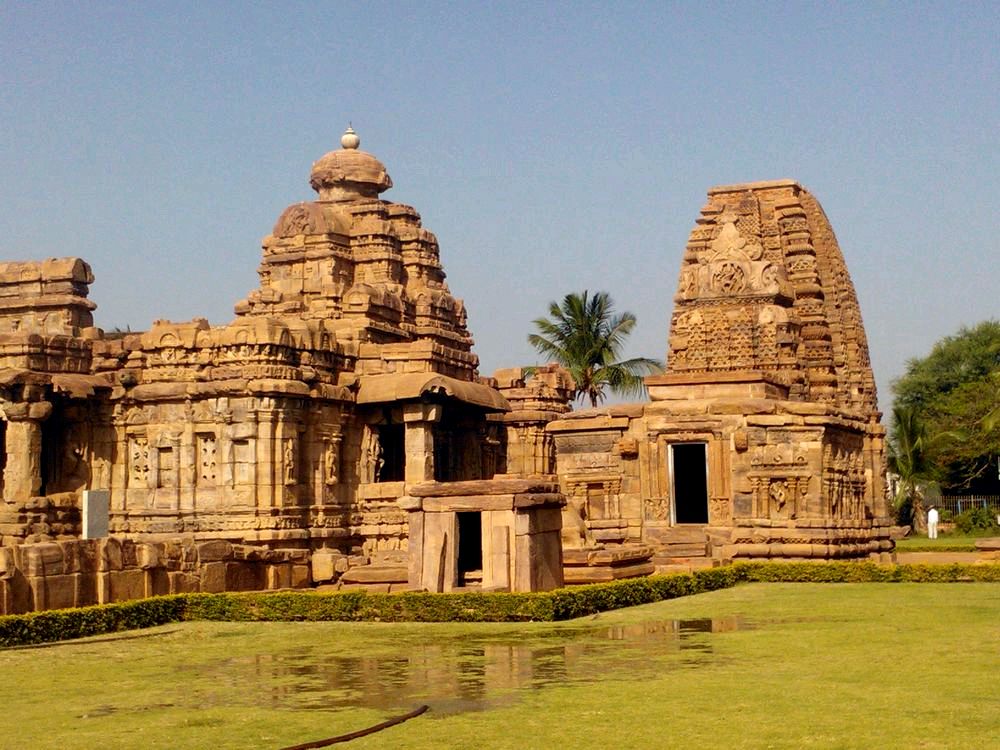
1. Cultural Heritage Defined
Cultural heritage is a set of cultural products, tools, music, art, food, language, and more that influence the population of a specific area. Cultural heritage can be seen as a collection of applications and activities, ideas, and relationship systems transmitted within a ranked group or community. Cultural heritage influences the cultural models of the population and plays an important role in defining their cultural identity.
Cultural heritage includes material heritage, such as furniture, clothing, tools, as well as intangible heritage, such as cultural background, ideas, norms, and beliefs. Cultural heritage may have historical, emotional, or aesthetic value and contribute to defining the cultural identity of a group or community.
Cultural heritage is a dynamic entity supported mainly by successive generations to preserve sensitivity to changes and different designs that appear over time. As cultural heritage expands and changes, it serves as an important background figure in society and influences how people in that community choose to act.
2. The Role of Cultural Heritage in Society
Cultural heritage serves as an important center in society, containing the values, traditions, art, and history of the people. It influences the collective identity of society and assists in transmitting knowledge, language, and culture between generations. Cultural heritage plays an important role in empowering identity and understanding the shared history of the community.
Additionally, cultural heritage helps preserve cultural heritage and promotes creativity and innovation in society. It acts as a bridge between generations, bringing together different people from diverse cultural backgrounds. In doing so, it promotes cultural dialogue and connects people of all ages and genders.
Cultural heritage is the lever that shapes us as individuals and as a community, influencing our creations and the values we uphold
Dorit Ravinia – Multidisciplinary artist
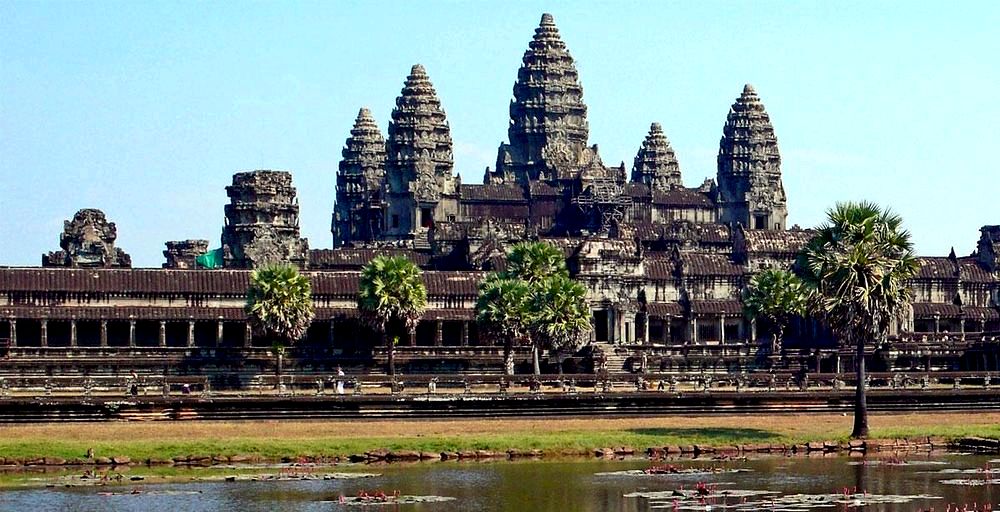
Cultural heritage also plays an important role in education and influencing people’s ways of thinking and behaving. It encourages understanding of the world and the ability to contribute and influence in a creative and positive manner. Thus, cultural heritage impacts the value systems and beliefs of individuals and society together.
The Influence of Cultural Heritage on the Population
Cultural heritage is an important part of the identity of any population, and its influence is evident in various areas of people’s lives. In the fields of art, music, religion, and the atmosphere of each community, the profound influence of cultural heritage can be seen.
Cultural heritage also influences the population in the food domain. The traditional cuisine of each community reflects its history, tradition, and atmosphere. Traditional food is part of the cultural heritage produced and passed down from generation to generation.
Populations that preserve their cultural heritage respect and uphold their traditions and values. This ensures that their cultural heritage continues to inspire their imagination and daily lives.
In summary, cultural heritage deeply and distantly influences the population. The connection between cultural heritage and the population is important and vital to understanding the identity and culture of every community.
Preservation and Change in Cultural Heritage
Cultural heritage is central to human culture, embodying the basic elements on which society and culture are built and developed. Preservation and change in cultural heritage are vital processes that influence the development of society. Over the years, cultural values, traditions, and cultural heritage are preserved and changed to adapt to future needs.
Cultural heritage is like a role of significance, helping us understand where we come from and where we are going
Ehud Banai – Singer and composer
Preservation of cultural heritage is an important process that ensures the preservation of society’s cultural traditions and values. Today, many regulations are implemented to preserve important and cautionary cultural heritage, attempting to preserve the artistic works, ancient buildings, and historical sites of the country.
However, change is an inseparable part of the cultural process. Cultural heritage evolves and develops as part of social and economic processes. Technological changes, societal changes, and policy changes affect cultural heritage and lead to changes in customs and culture.
In summary, preservation and change in cultural heritage are vital processes that enable society to preserve its traditions and develop and progress simultaneously. Society must find the right balance between preservation and change to maintain its cultural heritage and ensure a diverse and evolving social and cultural future.
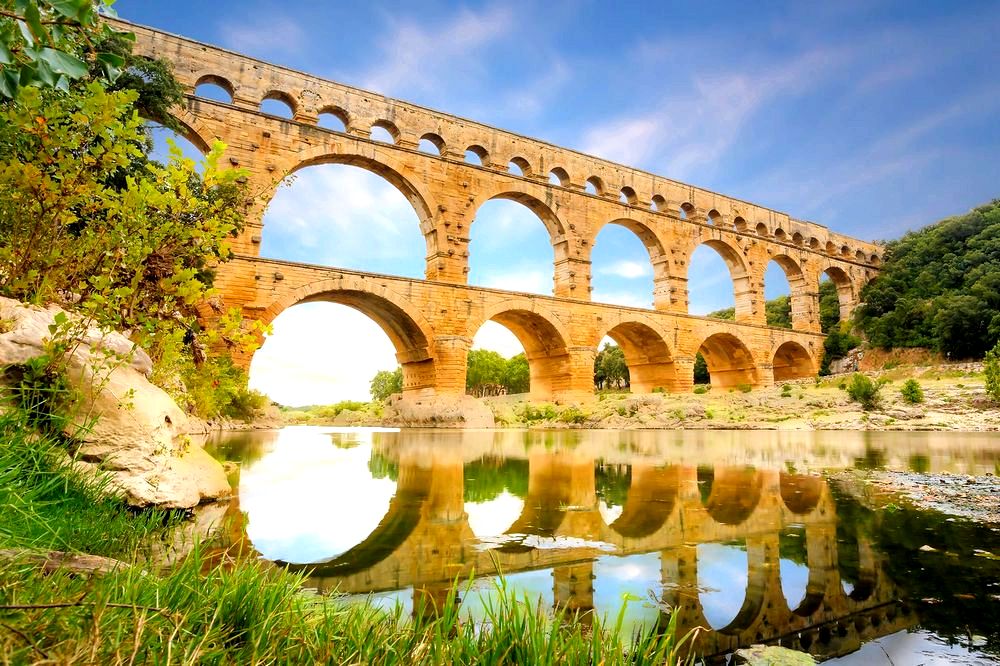
5. Culture and Art as Part of Cultural Heritage
Culture and art are an important part of every nation’s cultural heritage. What are the key concepts related to culture and art and how do they influence our cultural heritage? Culture is a worldview, a social structure, behavior patterns, and values transmitted from generation to generation. On the other hand, art is a way to express the culture and values of society through creating exemplary works.
The art and culture of every nation reflect its ideology, morality, and beliefs. Through art and culture, we can understand and experience the world around us uniquely. They allow us to be impressed by artistic works and be moved by the cultural performances we encounter daily.
The cultural heritage of every nation reflects its artistic and cultural activity, its unique characteristics, and the influence of these on the modern world. We identify our cultural heritage through art, music, literature, and take pride in every piece of art exposed to us.
Culture and art are inseparable parts of our cultural heritage, deeply influencing our identity and the world around us. We must preserve and nurture our culture and art to maintain our cultural heritage and pass it on to future generations.

6. Cultural Heritage as a Tool for Memory and National Identity
The cultural heritage of each nation is central in our time, as technology and communication rapidly change the way we live. Preserving cultural heritage is not only a moral obligation but also an important tool for preserving national memory and shared identity.
Cultural heritage reflects the history and values of the people, their foods and music, dances, and language. It passes down ancient messages and traditions from generation to generation and solidifies the guiding identity of the people.
By innovating and preserving cultural heritage, we ensure that future generations will continue to consider themselves part of the shared tradition and translate the ancient heritage into the language and idea of today.
In conclusion, cultural heritage is not only an inseparable part of the past but also an important tool for preserving and innovating memory and national identity. We must always remember its importance and preserve it in the public consciousness and modern media.
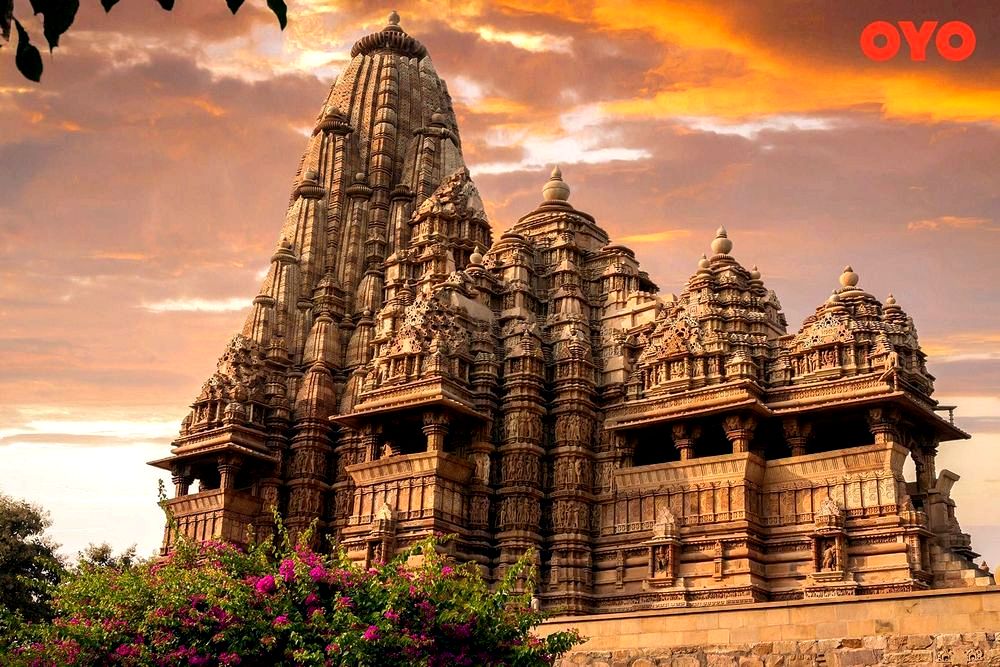
7. Challenges and Opportunities in Preserving Cultural Heritage in the Modern Age
In the modern age, rapid technological changes pose new challenges in preserving and collaborating around cultural heritage. With the advent of the internet, the digital world, and new applications, there is a need to address new issues that did not exist in the past.
Cultural heritage is like a wondrous foundation that conveys the messages of the past to the future, shining and serving
Naomi Shemer – Author and poet
One of the main challenges is protecting the memories of the past and preserving them in the digital world. With vast amounts of information being created and shared on the network, it is important to preserve local culture and heritage and not lose them in the sea of the internet.
However, there are also new opportunities in the modern age for preserving cultural heritage. Through the internet and social networks, the message and knowledge about heritage can be conveyed easily and made accessible to a wide audience.
In conclusion, in the modern age, there are new challenges in preserving cultural heritage, but also new opportunities to disseminate and share it in a broader and more modern way.
