



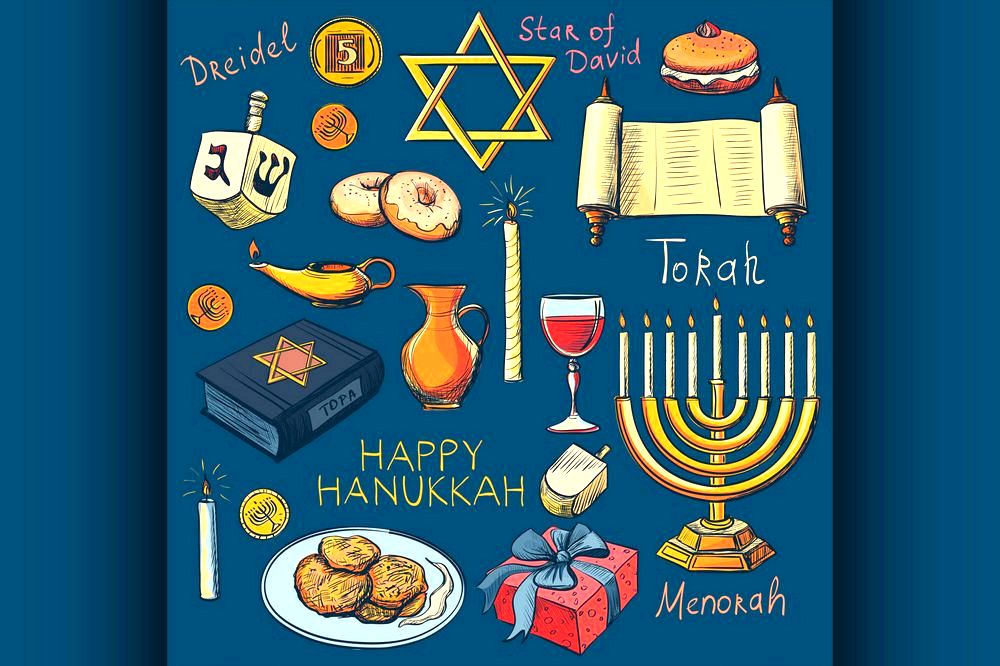
1. Rosh Hashanah
Rosh Hashanah is the Jewish New Year holiday. On this day, the new year begins and various traditions and customs are observed. On Rosh Hashanah, it is customary to eat apples with honey and bless for a good and sweet year.
Our customs remind us of our heritage and Jewish identity
Rabbi Yochanan ben Zakkai – Tanna
On Rosh Hashanah, there is also a custom to blow the shofar, a musical instrument made from the horn of a ram, to remind us of accountability and repentance. On this day, the Scroll of Ruth is also read, the story of the binding of Isaac.
Rosh Hashanah is a time for connection with God and the Jewish community. On the eve of Rosh Hashanah, a unique evening prayer is held, and on the holiday itself, a special morning prayer is conducted.
2. Yom Kippur
Yom Kippur is one of the most important holidays in the Jewish calendar. On Yom Kippur, the soul is cleansed and atonement for all sins is sought. During this day, Jews fast and pray, seeking forgiveness and pardon from God. Yom Kippur is also considered a day for rectifying one’s soul and reflecting on one’s life.
On Yom Kippur, believers fast to seek forgiveness from God and atone for all sins committed during the past year. They fast for 25 hours, from sunset to sunset. During the fast, eating and drinking are prohibited, as well as wearing leather shoes and washing the body.
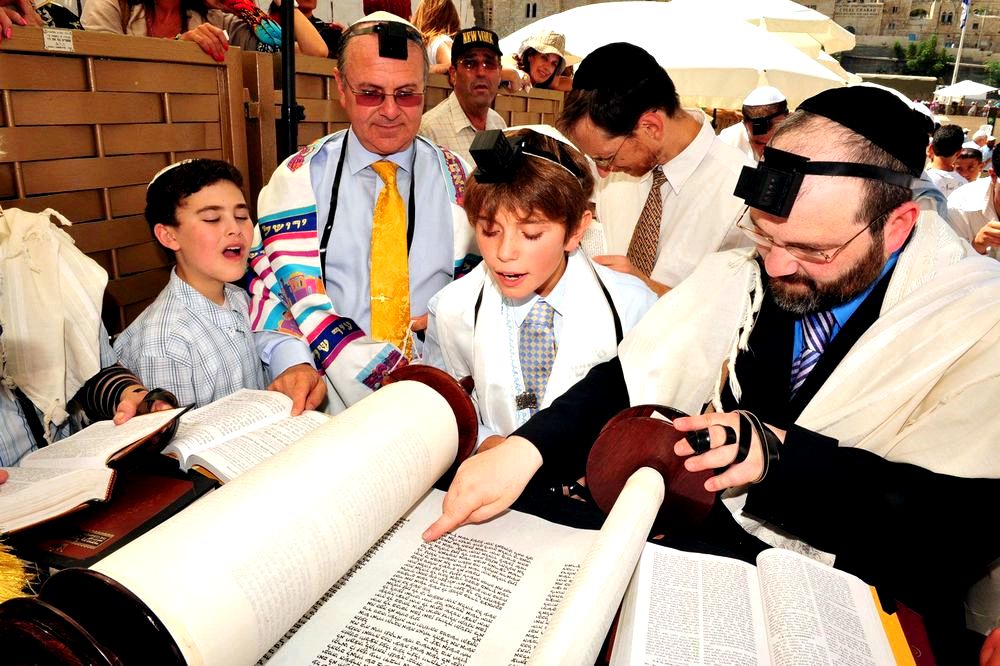
At the end of Yom Kippur, believers conclude with the blowing of the shofar, a signal for the end of the special day and the beginning of a new year. The blowing of the shofar symbolizes repentance and forgiveness from God, bringing hope for a new and good year.
Sukkot
Sukkot is one of the five most special holidays in the Jewish calendar. During the seven days of the Sukkot holiday, people build a sukkah – a temporary shelter made of branches, and hold their meals inside it. The sukkah is a reminder of the journey of the Jews in the desert for forty years. The atmosphere during the Sukkot holiday is festive and joyful, and families observe traditions together and celebrate happily. Additionally, during the holiday, houses are cleaned, and a ritual of purification symbolizing renewal and purity is observed. Sukkot is also a special time for drawing close to God and praying for rain and water for the upcoming year. At the end of Sukkot, a ceremony is held to conclude the holiday with joy and dancing.
4. Hanukkah
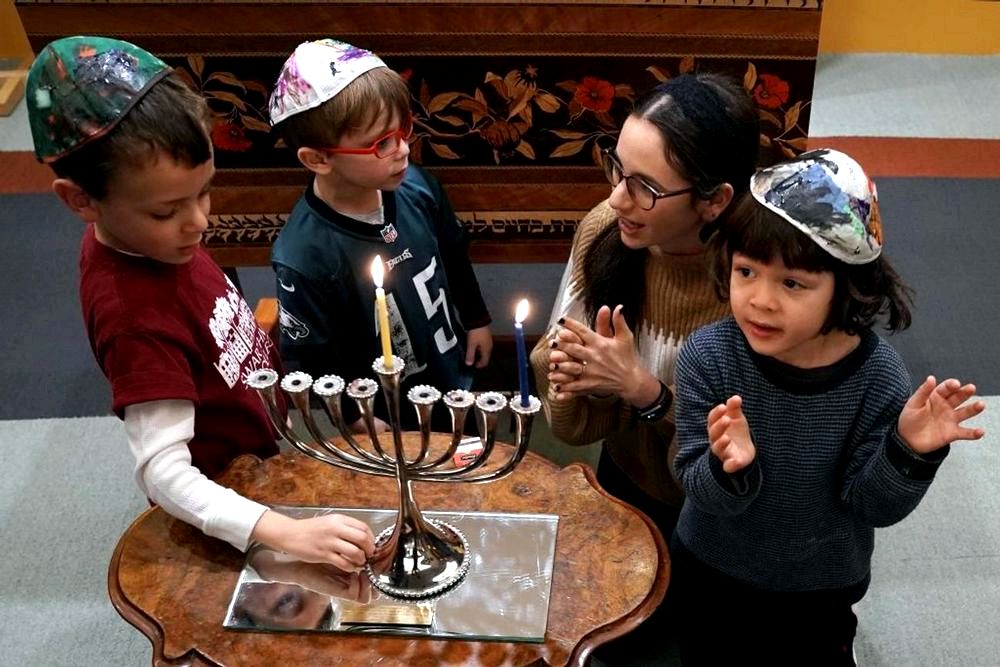
Hanukkah is one of the light festivals of the Jewish people. During the eight days of Hanukkah, we adorn our homes with Hanukkah candles and light them each evening. Hanukkah symbolizes the victory of the Maccabees over the Greeks in the second century BCE. Eight miracles occurred in the Second Temple, and each Hanukkah candle symbolizes these miracles. In addition to lighting the candles, other customs observed during Hanukkah include eating jelly doughnuts, spinning the dreidel, and playing games. Hanukkah is also a time to spend quality time with family and friends, celebrating the victory and light that the holiday brings.
5. Passover
Passover is one of the five most special holidays in the Jewish calendar. During Passover, we commemorate the exodus of the Israelites from Egypt and the freedom they obtained. The holiday is marked by eating matzah, a remembrance of the Passover lamb sacrifice offered during the time of the First Temple, and the Passover Seder that explains the details of the holiday.
Preparation for Passover begins at the end of the month of Adar, with cleaning the house of all remaining leavened products. On the Seder night, the Passover and bitter herbs are placed on the table, and the story of the exodus is read from the Haggadah. At the end of the Seder, it is customary to eat the first olive-sized portion of meat.
During Passover, the celebration of the day of the firstborn is also observed, marking the new offering and the joy it brings. The Passover celebration is a time for family and friends to come together, eat matzah, and rid themselves of all the burdens of the Hebrew year.
The holiday season is a time to pay attention to the connections between people
Rabbi Akiva – Tanna
6. Shavuot
Shavuot is one of the five holidays marked in the Torah and Jewish tradition. The holiday marks the period of the wheat and barley harvest that took place at that time. On Shavuot, the Book of Ruth is read, describing the story of Ruth the Moabite who converted to Judaism and married her husband in Israel. It is customary during the holiday to eat dairy foods and prepare sweet dishes.
On Shavuot, the Book of Ruth is read, describing the story of Ruth the Moabite who converted to Judaism and married her husband in Israel. Among the common customs on Shavuot is the receiving of the Torah – according to Jewish tradition, on the day of Shavuot, Israel received the Torah at Mount Sinai. It is also customary to eat dairy foods and prepare sweet dishes.
On Shavuot, it is customary to eat dairy foods and prepare sweet dishes. This custom refers to the story of the receiving of the Torah at Mount Sinai, where the Israelites only ate dairy foods and prepared sweets for receiving the Torah. Additionally, during Shavuot, it is customary to read the Book of Ruth, which describes the story of Ruth the Moabite who converted to Judaism and married her husband in Israel.
7. End of the Year
The end of the year is a special time in the Jewish calendar, symbolizing the end of the Jewish year and the beginning of a new year. During the end of the year, several customs and traditions are observed to mark and celebrate this special period.
One of the main customs at the end of the year is the Kiddush on the second evening of Rosh Hashanah, where a blessing is made over a cup of wine and special customs are observed. Additionally, on Yom Kippur, various customs are observed, including the elevation of souls and prayer at the synagogue.
At the end of the year, there are also customs related to Rosh Hashanah, such as blowing the shofar and the Kiddush of Rosh Hashanah. Likewise, during the Sukkot holiday, the tradition of Hoshana Rabbah is observed, and on Simchat Torah, the community gathers, blesses the Torah, and celebrates.

At the end of the year, Jews are accustomed to blessing apples and honey, a sign of a good and sweet year. Additionally, they bless pomegranates, a sign of abundance and promptness in fulfilling commandments.
It is important to remember tradition even in the modern era
Rabbi Yehoshua ben Chanania – Tanna