



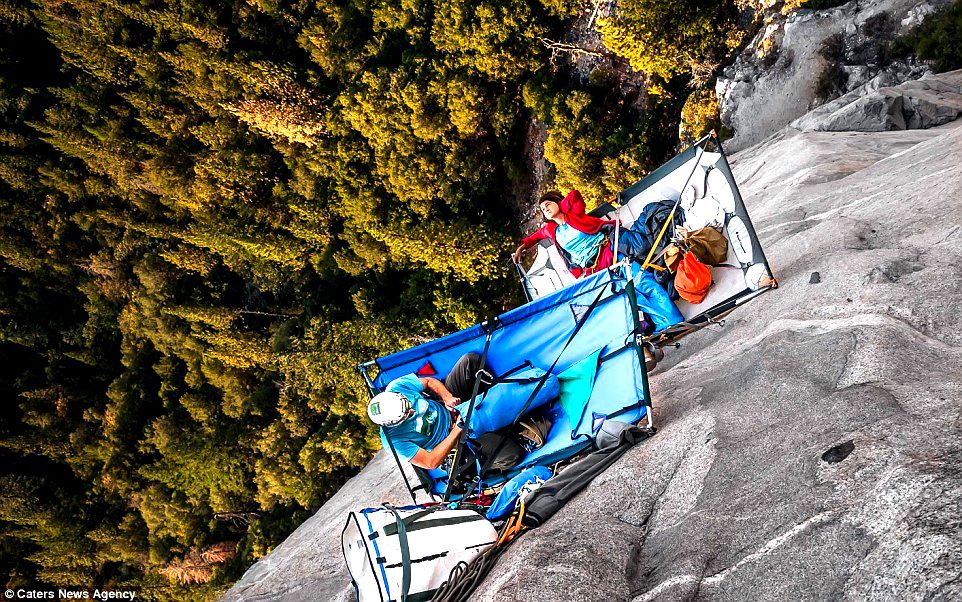
1. Gear Preparation for Rock Climbing
Rock climbing is a challenging sport that combines physical strength with mental ability. To ensure optimal performance and full safety, it is important to prepare suitable equipment for this activity. Here is a list of the equipment needed for rock climbing:
- Safety harness: The harness is the most important equipment in rock climbing. It connects the climber to the safety rope and serves as a kind of safety belt to prevent falls.
- Appropriate shoes: Suitable shoes with a protected sole and emotional support can make climbing easier and safer.
- Carabiners: Carabiners are devices used to secure ropes in a stable and safe manner.
- Gloves: Suitable gloves can protect the hands and facilitate movement during climbing.
- Helmet: A helmet protects the head and face and is important for safety during rock climbing.
No less important than the equipment is to ensure that the equipment is correct, intact, and suitable for the user. Also, it is important to prepare a small first aid kit containing band-aids, bandages, and basic medications to treat minor injuries during climbing.
2. Rock Climbing Techniques
Rock climbing is a challenging sport that combines physical strength, mental fitness, and technical skills. To be a skilled climber, it is important to learn and train in unique techniques that will help you face the challenges along the way. Here are some techniques that can help you improve your climbing abilities:
In rock climbing, as in life, it is important to find the weaknesses and strengthen them.
Rachel Gilad – Climbing Athlete
Proper grip: The grip is the key to success in rock climbing. It is important to learn how to hold onto the rock correctly to maintain strength and stability during climbing.
Use of legs: The technique of using your legs allows you to maximize your strength and minimize the effort required during climbing.
Correct movement: It is important to learn how to perform correct movements to prevent injuries and improve your climbing performance. Efficient movement will help you deal with high and challenging rock walls.
Regular training: To improve your climbing abilities, it is important to train regularly and practice different techniques. Only with time and effort can you improve and progress in rock climbing.
With the right techniques and self-confidence, you can achieve impressive results in the world of rock climbing. Remember always – consistency and perseverance in training are the keys to success!
3. Safety in Rock Climbing
Safety is paramount when engaging in a sport like rock climbing. As you progress in climbing, it is important to know and follow safety rules to prevent injuries and accidents. Here are some important tips for safe rock climbing:
Mental stability opens the door to success in rock climbing.
Itay Cohen – Wall Climbing Guide
- Ensure that the harness is properly fastened and the elastic is securely attached to the loop.
- Ensure that the equipment in use is checked and of high quality.
- Thoroughly check safety equipment before each climb.
- Avoid climbing in suspicious or dangerous conditions.
- Maintain open and clear communication with climbing partners.
- Know the route and plan the climb in advance.
Safety is the key to a safe and enjoyable experience in rock climbing. We must always remember that performing the right actions and being aware of safety can save lives and prevent serious injuries.
Choosing Routes and Types of Climbing
When rock climbing, it is important to choose routes and climbing styles that suit your abilities and the level of difficulty you want to face. When choosing a route, consider its levels – beginner, intermediate, difficult, or extreme. Beginner-level routes are suitable for beginners, while difficult-level routes will be more challenging and require experience and advanced technical skills.
Choosing a climbing style will also affect your climbing experience. You can choose to climb on a rope, on a wall, or on rocks. Each climbing style offers a different experience and requires different skills – technical, physical, and emotional.
After choosing the suitable route and style, it is advisable to plan the climb carefully and review the routes thoroughly to ensure safety and success in climbing. Always remember to practice drills and avoid taking risks without preparation.
5. How to Plan and Prepare for a Rock Climbing Class
Before advancing to rock climbing, it is very important to plan and prepare for a class properly and safely. Here are some tips that will help you cope with the fascinating challenge of rock climbing:
1. Advanced Planning: Think about your goals for the climb, the difficulty levels you want to do, and the tools required for that. Plan the route you will take and make sure you have all the necessary equipment.
2. Equipment Preparation: Check that you have a safety harness, a belay, suitable shoes, and other tools required for rock climbing. Make sure everything is in good condition and you have everything you need for safe rock climbing.
3. Training: It is important to train before rock climbing. Try to perform exercises that will improve your body fitness and balance, and practice the techniques required for rock climbing efficiently.
4. Initial Safety: Consider professional safety rules and keep yourself and the environment safe. Do not enter a route or place without ensuring everything is safe and that you are ready to face the challenge.
5. Team: Plan the rock climbing together with an expert team and make sure everyone has the knowledge and experience required. Teamwork can ensure the safety and success of rock climbing.

6. Handling the Need for Using Ropes and Other Devices
During rock climbing, it is important to use ropes and other devices to ensure your safety and increase your ability to climb safely and efficiently. It is important to remember that using ropes and special devices requires special skills and proper training.
Before each climb, it is important to ensure that the ropes and devices you are using are in good condition and free from any possible faults. Check their integrity and make sure there are no breaks or other faults that could endanger your safety.
In addition, it is important to learn how to use ropes and devices correctly. Learn the appropriate methods for each situation and be aware of the risks that may occur during climbing.
The direct approach is not always the best, sometimes you have to rethink and find new ways.
Michal Levi – Rock Climbing Guide

No less importantly, it is important to be aware of the processes for handling the need for using ropes and other devices in case of a fault or accident. Knowing how to treat minor and serious injuries can ensure your safety and the safety of the group you are climbing with.