


Influences
Israeli cuisine is composed of a wide variety of influences, reflecting the rich history and culture of the land. Many of the typical foods and dishes in Israel reflect the diverse Arab, Jewish, Ashkenazi, and Moroccan cultures of Israeli culture.
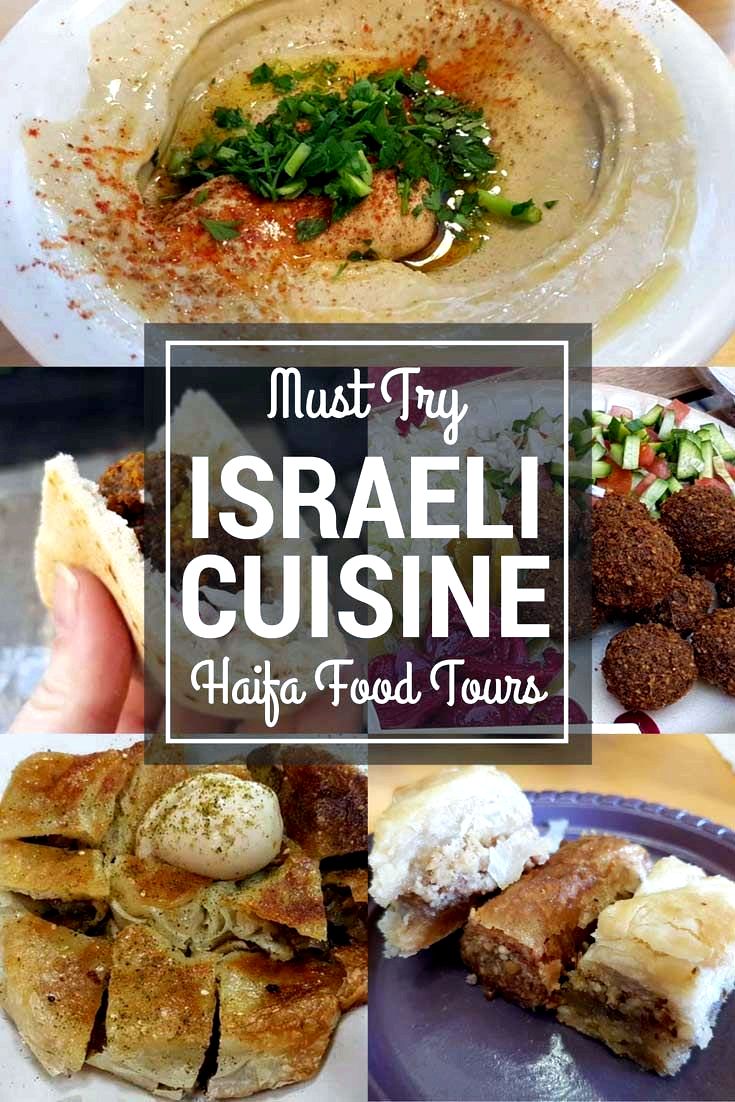
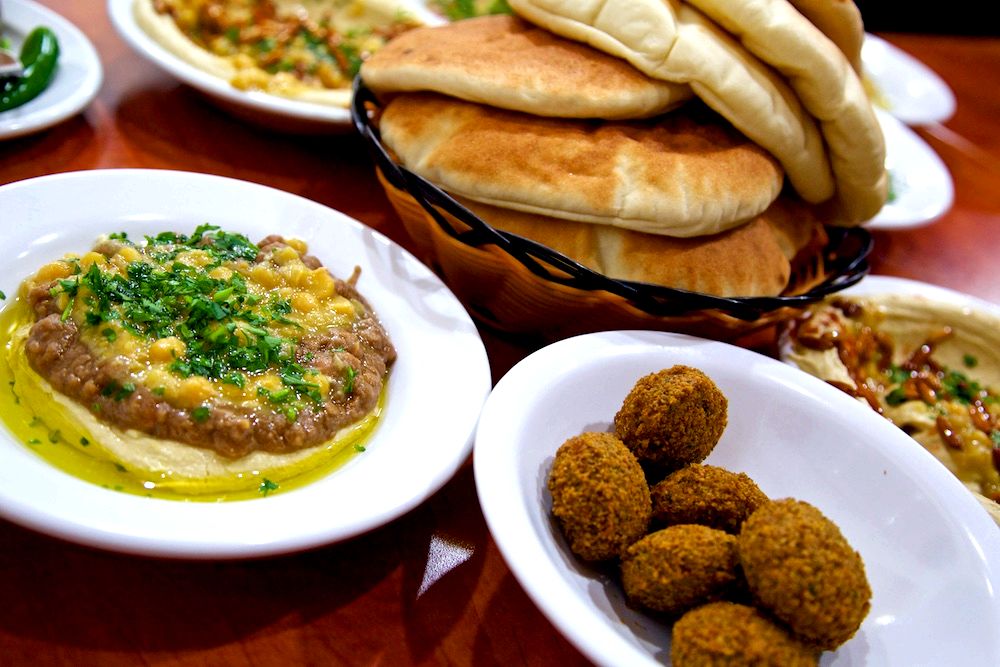
The Arabs who settled in Israel had a significant influence on local cuisine, bringing dishes like hummus, falafel, and baklava with them. Sephardic and Ashkenazi Jews also significantly influenced Israeli cuisine, introducing dishes like cholent, gefilte fish, and laham.
The harsh desert climate in the Negev Desert influenced local cuisine, with dishes like date cake and gefilte fish dough. The Moroccans who came to Israel brought rich culinary traditions and influenced Israeli cuisine with dishes like couscous and tagine.
Ultimately, Israeli cuisine is a fusion of various culinary traditions, reflecting the diversity and rich cultural heritage of Israel.
The best soup is the one made in Israeli kitchen
Aharonovitz Ya’akov – Chef
Culinary Culture in Israel
Food is an integral part of Israeli culture, reflecting the history, geography, and culture of the country. In Israel, there is an excellent and rich culinary culture that reflects the various influences of the different peoples living here.
Israeli cuisine features traditional and modern dishes that blend various cultures and flavors. Israeli cuisine offers a wide variety of foods, including hummus, tahini, falafel, hummus salad, and more.
Traditional foods in Israeli cuisine include fish, fresh vegetables, soups, and roasts. In addition, Israeli cuisine commonly features dishes with spices and herbs like parsley, dill, and cumin.
In Israel, there is a fundamental culture of hospitality and open tables, making food an integral part of social life. Among Israelis, certain foods are very popular, such as pita with hummus, shawarma, and sushi.
In conclusion, Israeli culinary culture reflects the vibrant and dynamic life of the country, offering a rich variety of tastes and aromas that express the deep secrets of Israeli cuisine.
Popular Street Foods
In the streets of the Old City of Jerusalem, you can find the most popular street food in Israel – falafel. Falafel is a traditional fast food consisting of falafel balls, hummus, vegetable salad, and tahini. Falafel is served in a soft round pita and is enjoyed mainly for lunch and after midnight.
Another popular street food in Israel is hummus. Hummus is a type of round pita recommended with toppings like hummus, olives, eggplants, and tahini. Hummus can be found in streets and markets across the country and is an excellent food to share with friends or enjoy on your own.
One cannot talk about Israeli street foods without mentioning aliyah to the highway. Aliyah to the highway is a particularly popular street food in the central region, consisting of falafel, onions, tomatoes, and eggplant salad, all covered in a spicy and sweet sauce. You can find aliyah to the highway in streets, markets, and pubs across the country.
In summary, Israeli street foods are an integral part of the culinary culture of the country. Falafel, hummus, and aliyah to the highway are just a part of the rich variety of foods that can be found in the streets and markets across the country. So don’t hesitate to try them on your next visit to Israel!
Traditional Israeli Dish
Israeli cuisine incorporates a diverse culture and tradition, and a traditional Israeli dish is an integral part of the comprehensive influence of Israeli cuisine. These dishes reflect the history and culture of the land, providing a unique culinary experience that connects tastes, aromas, and colors.

One of the most well-known traditional Israeli dishes is hummus. Hummus is an ancient dish containing boiled chickpeas, flattened and tasty. Hummus is served with various toppings like spicy sauce, roasted tomatoes, and hummus sauce, making it a homey and very tasty dish.
Israeli foods include a wide variety of spices and flavors
Ya’akov Cohen – Food Specialist
Another dish that is hard to ignore is falafel. Falafel is an Eastern European dish with Israeli influence containing a traditional chickpea version and tahini sauce. Falafel is served with salad and pita bread, and it is distinctive in its taste and unique toppings.
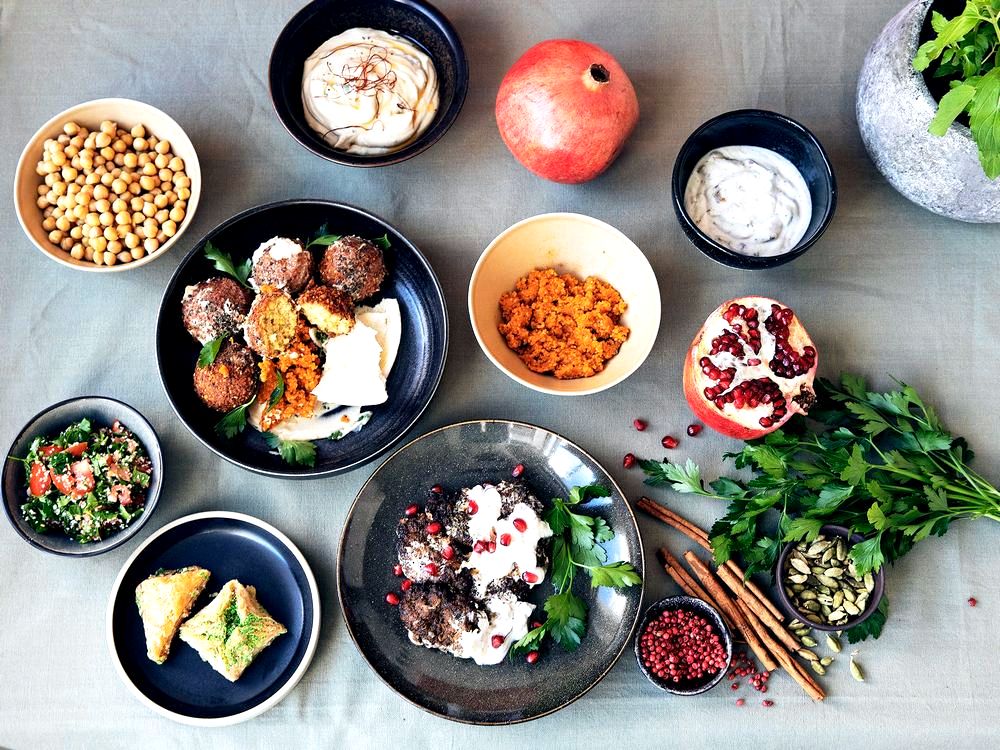
In addition to hummus and falafel, there are several other traditional Israeli dishes that offer unique tastes and aromas. These dishes contain local and seasonal ingredients and come with stories and traditions passed down from generation to generation.
Unique Cooking Techniques
In the 21st century, with the influence of global cuisines, new and original cooking techniques have developed in Israeli cuisine. The combination of local tradition and external influence has created a unique phenomenon that characterizes Israeli cuisine today. Here are some unique cooking techniques:
Salt Preservation: It is common in Israeli cuisine to finish with this process, where salt is used as a way to preserve the food. Sea salt, kosher salt, and coarse salt are examples of salts used in this process.
Charring: This technique is done by direct charring of materials in fire or dry roasting. Charring gives the food a rich and unique taste originating from the high temperature at which the charring is done.
Cooking over an Open Flame: Cooking over an open flame is a traditional technique used in Israeli cuisine since ancient times. In ancient times, food was cooked over an open flame at a sudden and slow pace, preserving the unique taste and aroma of the food.
These techniques and others signify the unique and fascinating cuisine of Israeli cuisine, focusing on the use of fresh, quality, and local food and a combination of different tastes and aromas from around the world.
Therapeutic Israeli Foods
Food is not just a source of nutrition but also a source of pride and cultural identity. In Israeli cuisine, there are therapeutic foods used for healing and recovery. These are the secrets of Israeli cuisine passed down from generation to generation and used as essential tools in natural and healthy treatments.
The activity in the Israeli kitchen is a creative and fascinating activity
Michal Cohen – Restaurant Owner
One of the most well-known therapeutic Israeli foods is za’atar. Za’atar is a unique spice originating from the Moroccan plant and is used in Israeli cuisine to provide a rich taste and pleasant aroma to foods. Additionally, za’atar contains medicinal properties and is used for treating health issues like stomach aches and poor digestion.
Another therapeutic Israeli food is tomato paste. Tomato paste serves not only as an excellent taste enhancer for dishes but also as a type of natural remedy used for treating various health issues like inflammation and as an antioxidant for the body.
In addition, rose water is another widely used therapeutic Israeli food. Rose water contains medicinal properties and is used in treating skin issues, headaches, and respiratory problems.
In conclusion, Israeli cuisine offers a wide variety of therapeutic foods that combine taste and healing. The secrets of Israeli cuisine provide us with unique tools for treating the body and soul, offering us a greatly healthy and tasty food experience.