


1. How to Prepare for a Mountain Trek
Mountain trekking is a fascinating and challenging activity that requires proper preparation. Before embarking on the trek, it is important to take a number of steps to ensure your safety and the success of the journey. Here are some tips for preparing for a mountain trek:
1. Planning and Mapping: It’s important to plan the route and understand the map before setting out on the trek. Make sure you have an updated map and are familiar with the route and conditions.
2. Equipment and Protection: Ensure you have first aid equipment in case of accidents or rescue. Also, make sure you have suitable protective gear for different weather conditions and terrain.
3. Physical Fitness: Mountain trekking requires good physical fitness. Prepare yourself with physical training in advance and make sure you are ready to face the physical challenges of the trek.
4. Food and Hydration: Make sure you have enough food and water for the entire journey. Be cautious of drinking untreated water and avoid alcohol consumption during the trek.
5. Communication: Ensure you have communication means like a cell phone or weather-resistant radio. This will help you survive in case of rescue or emergencies.
By following these steps and proper preparation, you can enjoy a safe and enjoyable mountain trek. Remember – safety should always be the priority!
Recommended Gear for Mountain Trekking
Before starting a mountain trek, it’s important to ensure you have the right gear for the upcoming journey. Mountain trekking is a physical and enduring activity, so it’s important to prepare and have all the necessary gear.
Every mountain trip is a unique experience
Naftali Hertz – Writer and Poet
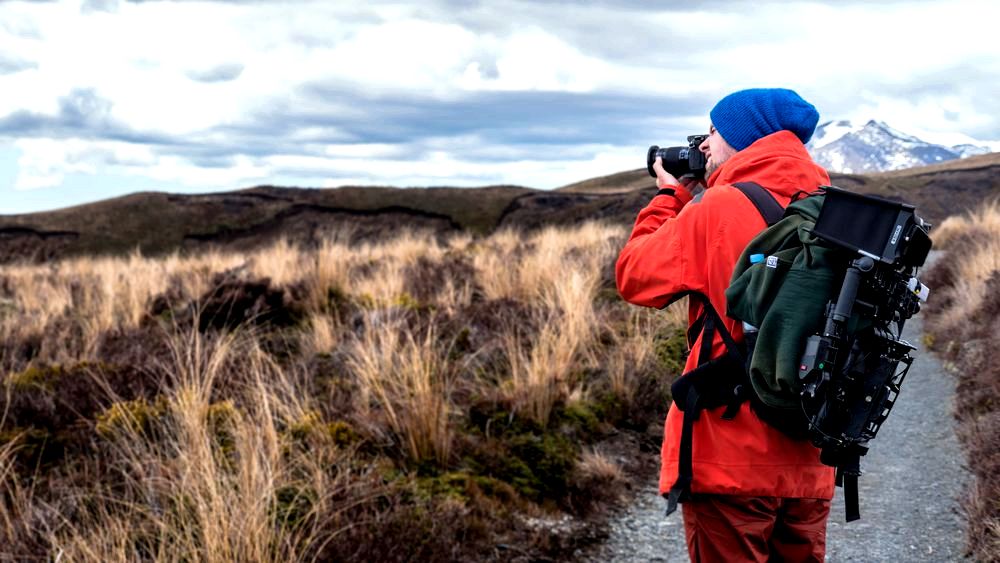
Essential accessories to bring with you include suitable hiking shoes, a comfortable and lightweight backpack, water in a hydration pack, and easy-to-carry food. Also, it’s important to bring sun protection gear, comfortable and breathable clothing.
In addition, make sure you have safety equipment such as a helmet, safety locks, and a small medical kit for accidents or emergencies. Also, don’t forget to take a camera with you to document the amazing experience.
Lastly, it’s important to be physically and mentally prepared for a mountain journey. Trekking is an exciting and challenging activity, and with the right gear and proper preparation, you can enjoy the experience to the fullest.
3. Choosing Routes and Trails in the Mountains
When choosing a mountain trek route, consider your fitness level, experience in nature trips, and your goals for the trek. You can find routes and trails in the mountains at various difficulty levels, suitable for beginners to experienced trekkers.
When choosing a route, consider the length, elevation gain and loss, and the trail conditions. Also, check the weather conditions and make sure you have the appropriate trekking gear for the journey.

Choosing the right route will meet your expectations and allow you to enjoy a natural and fascinating experience in the mountains. Consider the time required to complete the route and don’t forget to prepare additional gear in case of changes in weather or trail conditions.
4. Tips for Safety in Mountain Treks
In mountain treks, it’s important to maintain safety and take all necessary measures to prevent accidents and injuries. Here are some useful tips:
1. Organized Planning
Plan your trek in advance and ensure you have all the necessary equipment and that the route suits your fitness level.
2. Stay Hydrated
Equip yourself with enough water for the entire trek and drink regularly to maintain hydration.
In the mountains, tranquility and peace suddenly emerge
Shmuel Yosef Agnon – Writer and Translator
3. Dress Properly
Choose comfortable and weather-appropriate clothing for the type of trek you’ll be doing.
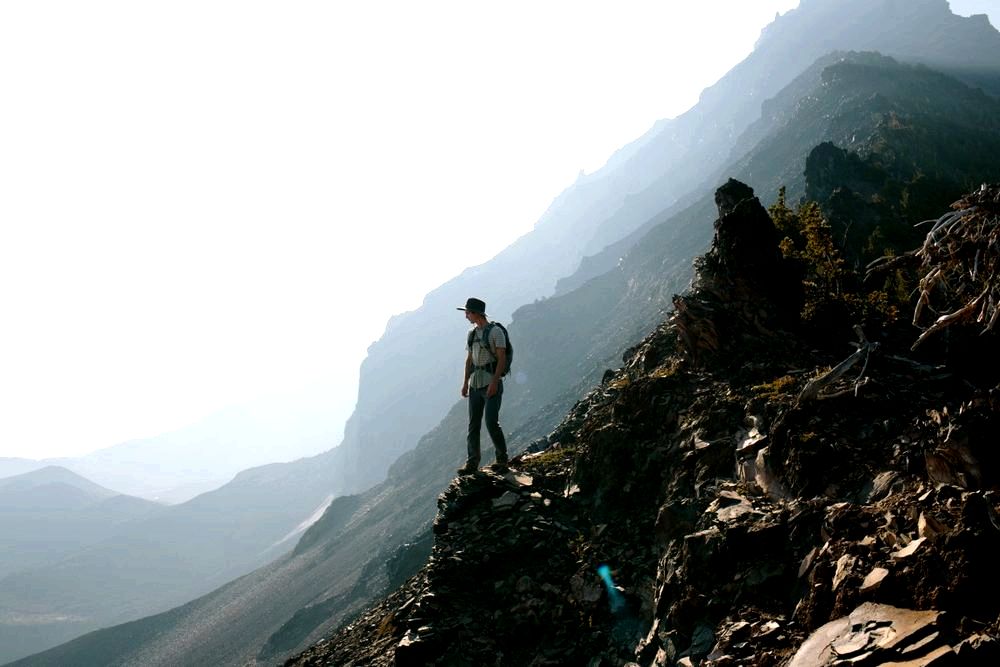
4. Caution in Rocky Terrain
Be cautious and maintain a proper step on trails passing through rocky and rugged terrains.
5. Recognize Risks
Assess risks properly and avoid situations where you’re unsure.
By following these principles and exercising caution and care, you can maintain your safety in mountain treks and enjoy a nature experience safely and pleasantly.
5. Menu and Recommended Food for Mountain Treks
Mountain trekking is an exciting and challenging activity that requires precise planning and preparation. One of the most important factors for the success of such a trek is the food and menu you choose to consume during it.
Before you start the trek, it’s important to think about food that suits the type of trek you’ll be doing. For long and challenging treks, it’s important to bring light and nutritious food that will give you energy and strength to continue the journey.
Choosing the right menu can make the difference between a successful trek and one that ends in trouble. When planning the menu, remember to consider the trek duration, the distance you’ll need to travel, and the level of physical activity you’ll engage in throughout the day.
Among the recommended foods for mountain treks are dried fruits, nuts, energy bars, carbohydrates rich in dietary fibers, and water or sports drinks for hydration.
Remember, the right menu and suitable food will help you feel comfortable and safe during the trek and improve your performance and sense of well-being. Also, remember not to leave trash in nature and to care for the environment responsibly.
6. Physical Preparation for Mountain Trekking
Mountain trekking is a physically challenging activity that requires prior preparation and good physical fitness. To cope with the steep and challenging trails, it’s important to start training in advance and engage in exercises suitable for this type of activity.
Before starting the trekking, it’s important to undergo a general health check and ensure there are no medical issues that could hinder your ability to cope well with physical exertion. Additionally, it’s important to start training regularly and build physical fitness that will help you cope with the most challenging trails.
Useful exercises for physical preparation for trekking include running in local terrains, hiking in the mountains, climbing ladders, and strength training to strengthen muscles. It’s also important to train on the teeth of the local mountain climbers, as they can be particularly challenging and require good physical fitness.
In addition, it’s important to practice proper breathing and learn correct techniques for climbing in the mountains. Breath control and the ability to manage it can help you save energy and cope efficiently with the physical exertion of trekking.
Good luck!
7. Tips for Environmental Conservation and Clean Mountains
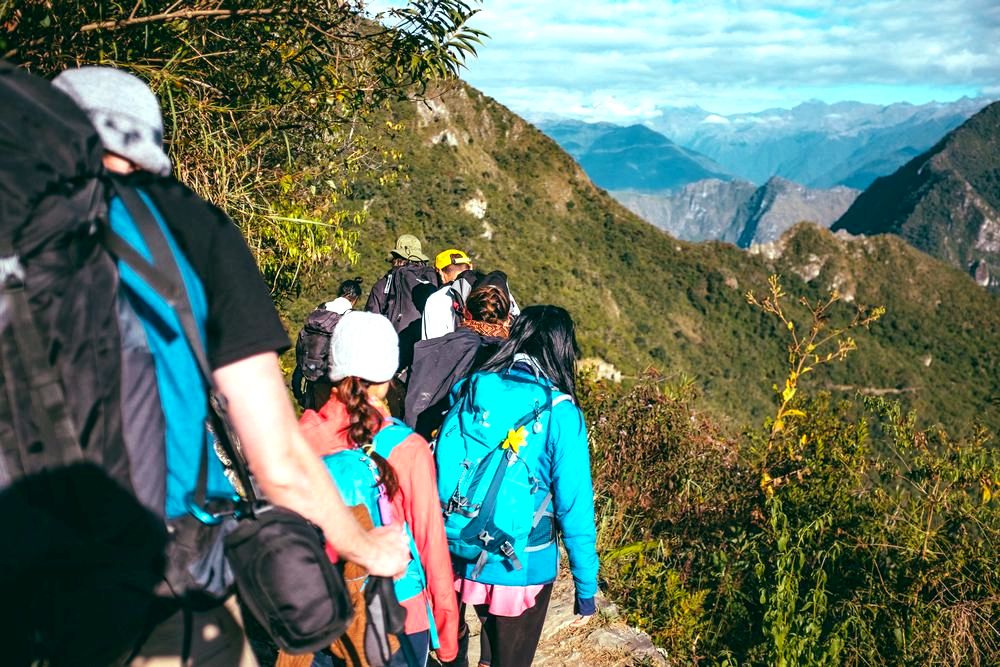
1. Do not litter in nature, leave the environment clean and green.
2. Use reusable equipment and do not discard it before you can use it again.
3. Help preserve the environmental flora and do not harm them.
4. Be responsible and protect wildlife.
5. When touring nature, pay attention to safety rules and do not expose yourself to dangers.
6. Equip yourself with reusable water containers and do not drink from natural water sources when their purity cannot be ensured.
The mountains fill me with positive energy
Natan Zach – Psychologist
7. Beware of fire and burners in nature and pay attention to watering regulations wherever you pass through.